Reaction Training for Combat Sports: Build Fight-Ready Reflexes
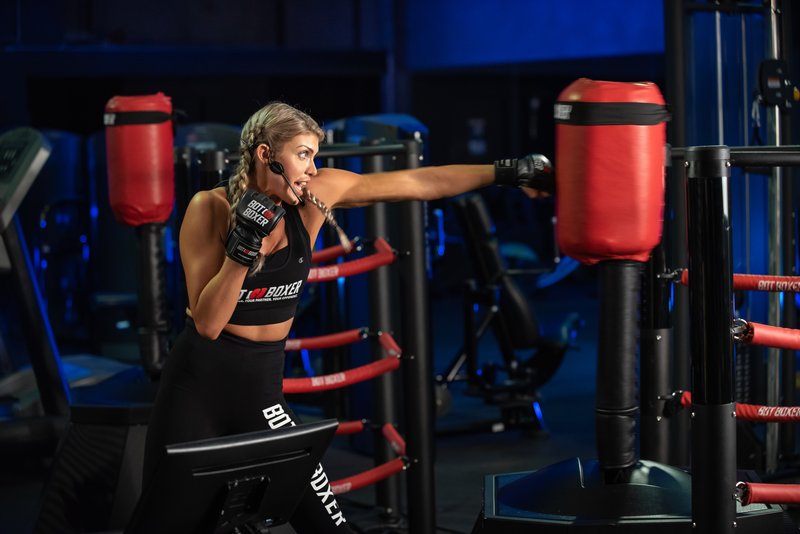
In combat sports, the margin between a clean counter and taking a clean shot is measured in milliseconds. Strength, endurance, and technique all matter enormously — but none of them save you if your reactions are a beat too slow. Reaction training for combat sports is the dedicated practice of shortening the gap between perceiving a stimulus and executing a precise, controlled response. When it is built systematically into your programme, it reshapes how your nervous system processes threat and opportunity, giving you a genuine edge that is hard to train any other way.
Why Reaction Time Is a Trainable Skill
There is a common misconception that reaction speed is fixed at birth — that you either have fast hands or you do not. The science tells a different story. Simple reaction time (responding to a single known stimulus) does improve with practice, but what really changes in combat athletes is choice reaction time: the ability to select the right response from several options under pressure. Research in motor learning consistently shows that deliberate, variable practice rewires the neural pathways responsible for rapid decision-making. The more unpredictable and sport-specific your training stimuli, the more transfer you get to actual sparring or competition. This is why hanging a speed bag on its own is not enough — you need a partner or a system that challenges you with genuine randomness and variety.
The Four Pillars of Effective Reaction Training
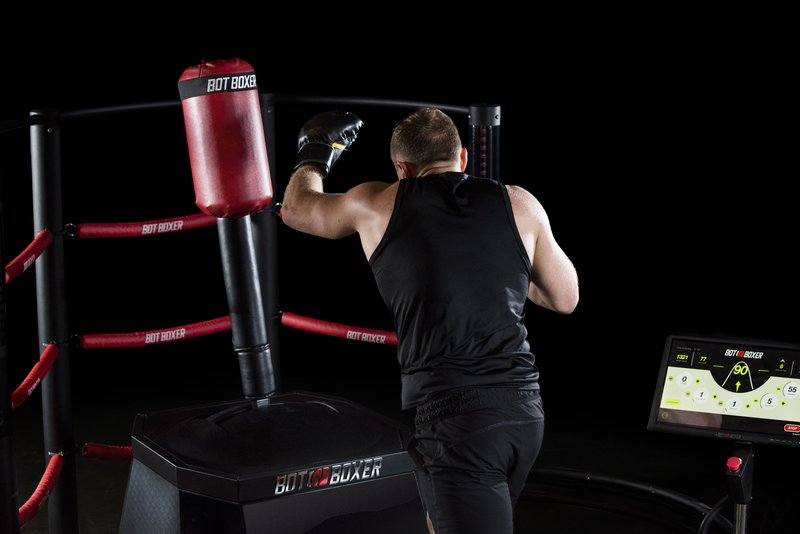
Effective reaction training for combat sports rests on four interconnected pillars. First is stimulus variability — your training must present unpredictable cues, not the same padwork combination repeated in a predictable rhythm. Second is cognitive load — adding decision-making (should I slip or parry? jab or cross?) rather than letting the movement become purely automatic. Third is specificity — the stimuli should resemble real fight situations as closely as possible: moving targets, shifting angles, and varied timing. Fourth is progressive overload — just like strength training, the challenge must increase over time to continue driving adaptation. When all four pillars are present, you compress reaction time and, critically, improve the accuracy and quality of your response under fatigue.
Classic Drills That Still Deliver Results
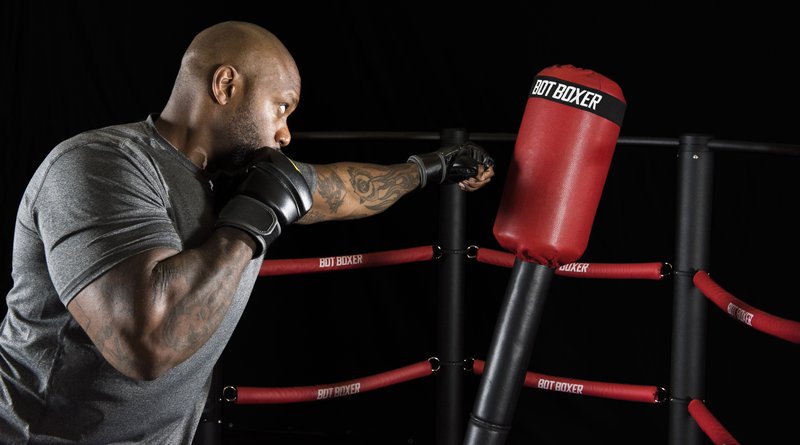
Traditional drills remain valuable building blocks. Padwork with a skilled coach who varies the call and disguises the angle is one of the gold standards; the coach becomes an unpredictable stimulus generator. Shadowboxing in front of a mirror with self-initiated defensive cues trains visual self-monitoring. Reflex ball training — using a small ball attached to a headband or wall — develops hand-eye coordination and quick corrections. Reaction light systems, where athletes strike illuminated targets as fast as possible, add the technology layer and allow accurate timing data. The limitation of many of these methods is availability: you need a skilled partner or coach present, and the quality of the stimulus depends heavily on their consistency and creativity.
How Technology Is Changing the Training Game
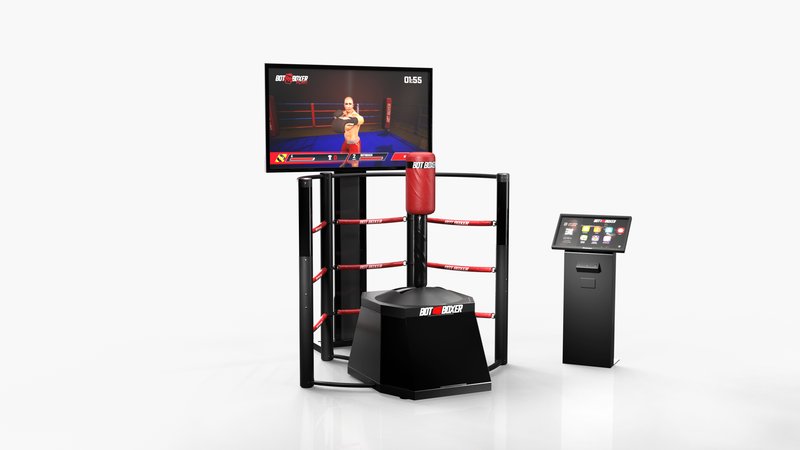
Interactive training technology has changed what is possible for solo and small-group sessions. BotBoxer, SkyTechSport's intelligent boxing training system, is built precisely around the principles described above. It presents randomised attack and defence sequences, responds to your movements in real time, and tracks your reaction data so you can see improvement objectively over weeks and months. Because BotBoxer generates unpredictable stimuli that you cannot anticipate through repetition, it addresses the single biggest weakness of most solo boxing training: the stimulus is always genuinely random. You cannot game the system or develop a groove, which means your nervous system keeps adapting. Sessions can be structured for pure speed work, endurance-based reaction under fatigue, or technical accuracy — making it a versatile tool for boxers, MMA athletes, kickboxers, and martial artists of all disciplines.
Building Reaction Training Into Your Weekly Programme
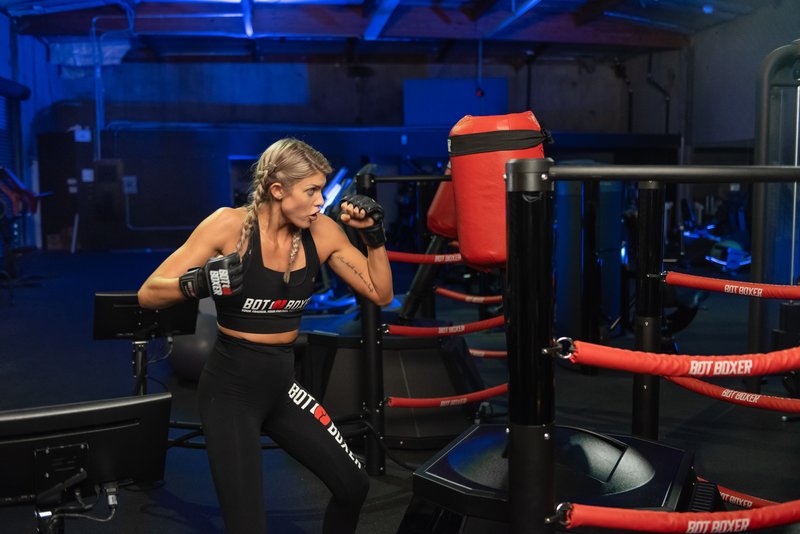
Reaction training works best when it is treated as a quality session rather than junk volume. Two to three dedicated reaction-focused sessions per week, each lasting 20 to 40 minutes, is a sensible starting point for most combat athletes. Place them when you are relatively fresh — early in a session or on a lighter training day — because neural fatigue blunts the adaptation stimulus significantly. A simple weekly structure might look like this: Monday, technical padwork focused on counter combinations after defensive cues; Wednesday, a BotBoxer session targeting pure reaction speed and accuracy tracking; Friday, a mixed session combining shadowboxing with cognitive tasks (calling out colours or numbers while moving) layered on top. As you progress, increase the complexity of the decisions required, not just the speed of the stimulus.
Measuring Progress and Staying Accountable
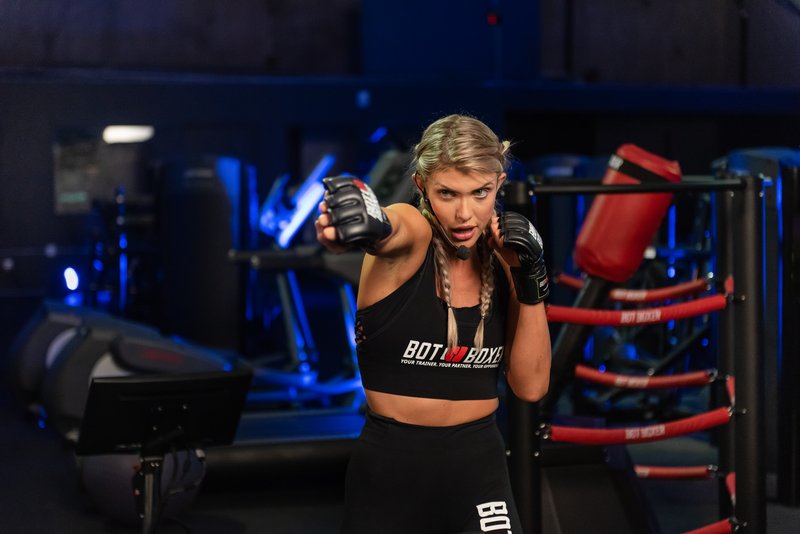
One of the most motivating aspects of modern reaction training is that progress is measurable. Tools like BotBoxer log your response times and accuracy across sessions, giving you objective data rather than relying on the subjective feel of a tough sparring round. Setting a baseline in your first week and reviewing the trend every four to six weeks keeps training purposeful and reveals whether your current programming is working. Beyond the numbers, look for real-world transfer: are you picking up feints earlier in sparring? Are your defensive cues becoming automatic rather than effortful? Are you landing counters you previously had no time to throw? These qualitative signals, combined with objective metrics, paint a full picture of your development. Reaction training is a long game — but for combat athletes who commit to it consistently, the competitive dividends are very real.
Ready to Train Your Reflexes?
Explore BotBoxer and discover how SkyTechSport's technology can sharpen your combat sports performance today.
Explore BotBoxer →