Guide
Reaction Time for Gaming
Fast games reward fast responses. Here are the drills that train reaction time in a way that carries over to play, and the habits that keep the gains.
Train for unpredictable cues
In a game, the important moments rarely come in a fixed rhythm. Practising against predictable cues makes you good at predictable cues. Training with random, unexpected stimuli forces the perception-decision-response loop to speed up.
The rule for every drill below is the same: keep the cue unpredictable, go at full speed, and track your times so you can see progress.
Four drills for gamers
Reaction-light and target drills
Respond to randomly triggered lights or targets as fast as you can. Random cues train the same perception-to-response loop that games demand.
Ball-drop and catch drills
A partner drops a ball without warning and you catch it. Cheap, quick and easy to do daily for two minutes.
Choice-reaction games
Games that ask you to pick the right response from several options train decisions, not just speed. That is the skill that matters when several things happen at once.
Dual-task training
Track a moving target while reacting to a second cue. Gaming is rarely one thing at a time, so training two streams at once transfers well.
Habits that keep the gains
- Warm up with 2-3 minutes of reaction drills before a gaming session, not at the end.
- Keep sessions short and frequent. Five focused minutes most days beat one long grind.
- Measure your times. Reaction gains are small and easy to miss without numbers.
- Sleep and hydration matter. Tired reactions are slower no matter how much you train.
Train reactions with a timer
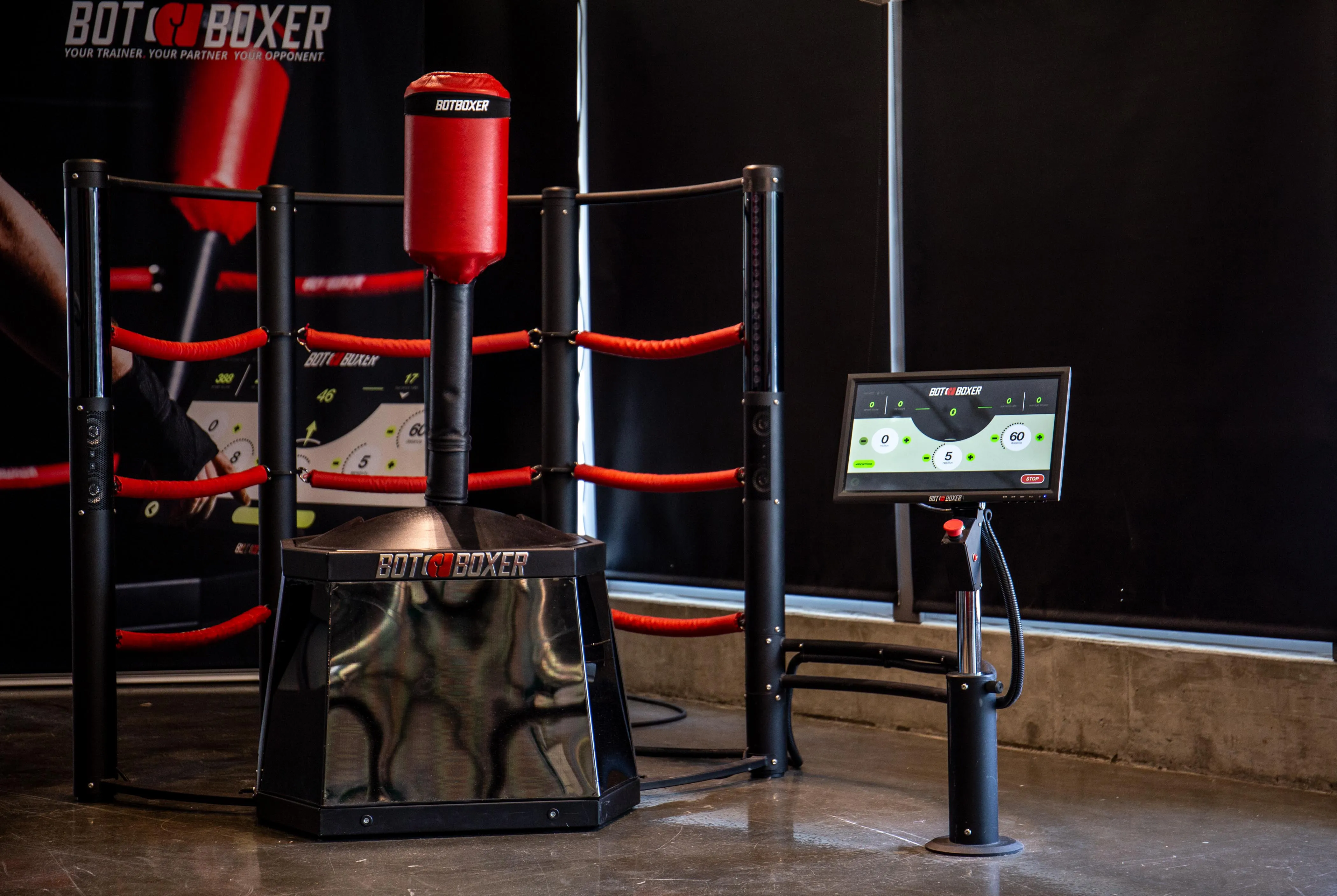
If you want randomised cues and a reaction time recorded on every rep, reaction-training hardware does that for you. BotBoxer lights up unpredictable targets and tracks your response speed, so the progress is visible.
For the same principles across every sport, see our reflexes and reaction time guide.