Virtual Snow Machine: Train on Real Ski Runs Year-Round
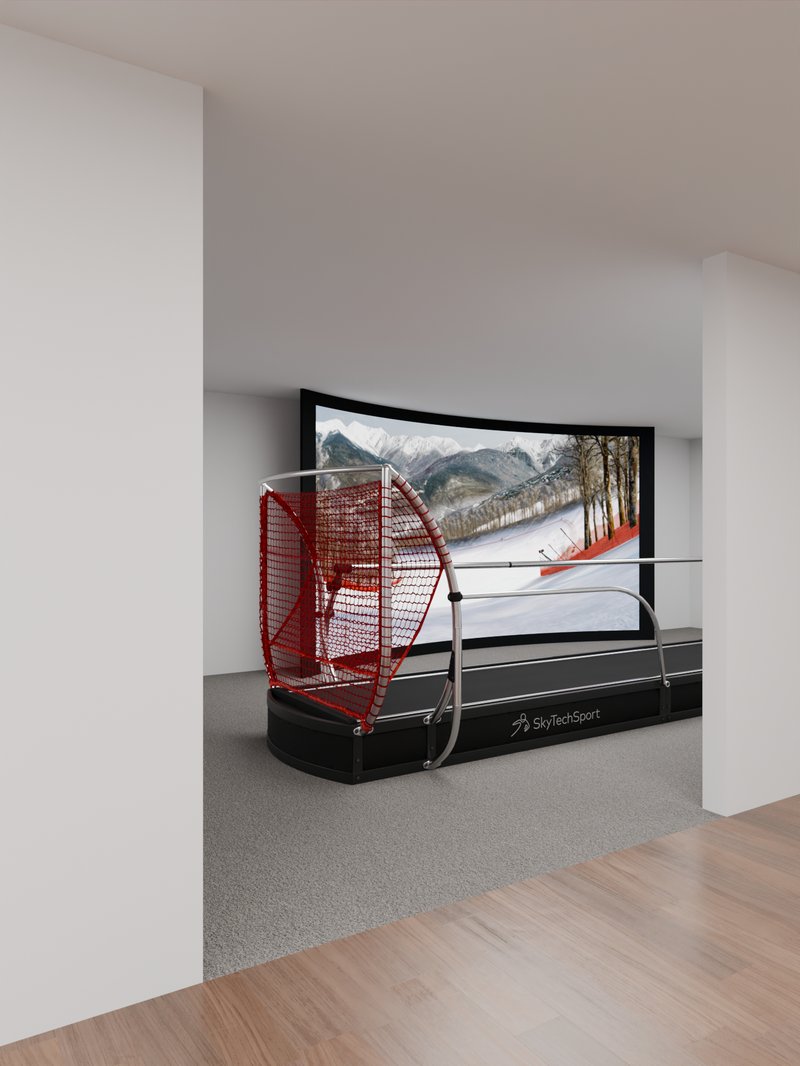
If you've ever typed 'virtual snow machine' into a search bar, you're probably looking for one thing: a way to experience the feel of skiing or snowboarding without waiting for winter to arrive — or without travelling to a mountain at all. That's exactly what SkyTechSport's interactive ski and snowboard simulators deliver. Rather than blowing artificial flakes around a room, these systems recreate the biomechanical reality of carving down a slope, giving athletes, recreational skiers, and training facilities a genuine on-snow sensation every single day of the year.
What People Mean by 'Virtual Snow Machine'
The phrase 'virtual snow machine' is a natural way for skiers and snowboarders to describe technology that simulates snow conditions digitally or mechanically. It covers everything from basic treadmill-style ski trainers to fully immersive interactive systems. At the high end of that spectrum sit SkyTechSport's ski simulators and snowboard simulators — platforms that combine a moving surface, real-time resistance adjustment, and an interactive visual environment to reproduce the physics of descending a slope. When athletes stand on one of these machines, their legs, ankles, and core respond to exactly the same forces they would encounter on packed powder or groomed piste. That's the meaningful sense of 'virtual snow' that serious skiers are searching for.
How the Technology Recreates Snow Underfoot
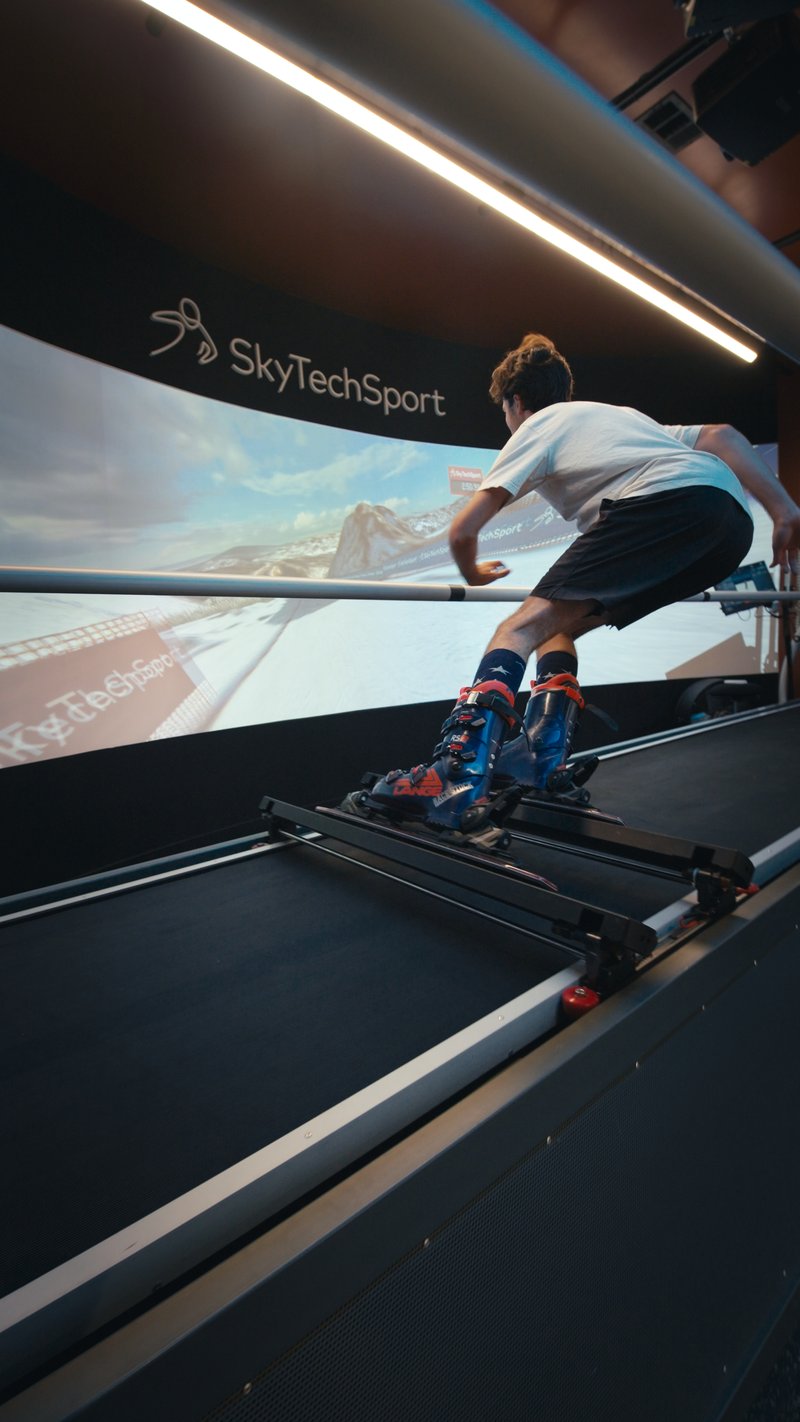
SkyTechSport simulators use a continuous-motion surface that responds dynamically to the rider's weight distribution, edge pressure, and lateral movement. As you shift your centre of gravity into a turn, the system detects the input and adjusts resistance to mirror what that edge angle would produce on real snow. Speed, terrain gradient, and snow-type profiles can all be dialled in by an instructor or the rider themselves. The result is a biomechanically honest training environment — not a rough approximation. Coaches at indoor ski training centres such as Home Mountain Ski Club rely on precisely this fidelity to correct technique flaws that would otherwise go unnoticed until a full day on the mountain.
Who Benefits Most from a Virtual Snow Machine?
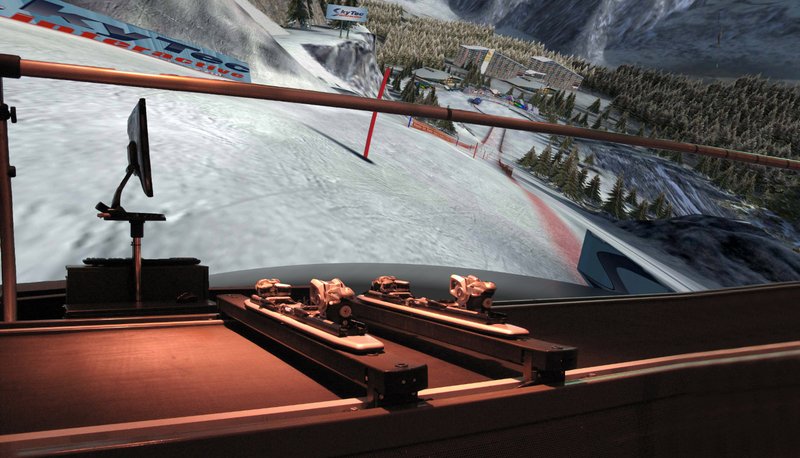
The honest answer is: almost anyone who skis or snowboards. Beginners can learn the foundational movements — weight transfer, edging, basic stopping — in a safe, controlled setting before they ever ride a chairlift. The slower learning curve means fewer falls, less frustration, and greater confidence when they eventually reach a real slope. Intermediate and advanced skiers use simulator sessions to sharpen specific skills: tightening short-radius turns, practising mogul rhythm, or working on race-start explosiveness. Elite and competition athletes treat simulator sessions as part of a structured periodisation plan, maintaining muscle memory and technical precision throughout the off-season when snow is unavailable. Physical therapists and sports physiotherapists also use ski simulators as rehabilitation tools, reintroducing sport-specific movement patterns after knee, hip, or ankle injuries in a setting where load can be carefully controlled.
Simulator Training vs. Real Snow: What's the Difference?
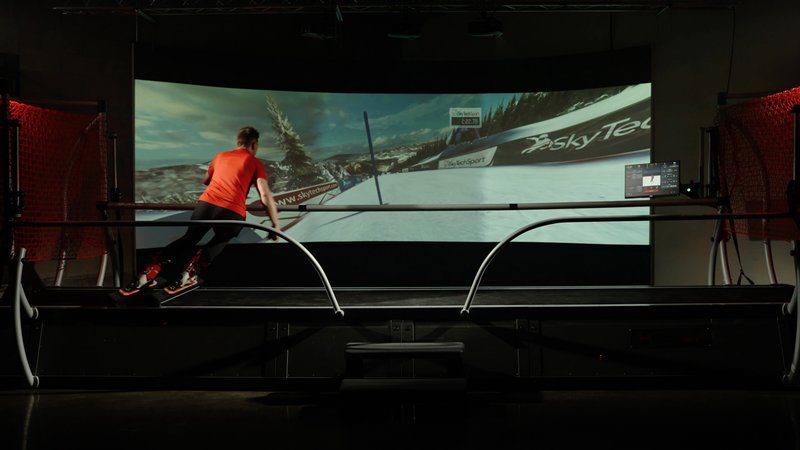
Simulator training is not a perfect substitute for time on a mountain — nothing fully replicates the visual scale, air temperature, altitude, or the social dimension of a ski resort. What it does exceptionally well is isolate technique. On real snow, external variables — changing light, traffic on the piste, the cold — compete for your attention and can mask technical weaknesses. On a SkyTechSport ski or snowboard simulator, every session is recorded and repeatable. An instructor can pause, replay, and analyse a turn sequence in a way that is simply not possible on a chairlift-served run. For clubs and academies, this means measurable, documented improvement rather than anecdotal progress.
Integrating Virtual Snow Machine Sessions into Your Training Plan
The most effective approach is to treat simulator sessions as a complement to on-snow time, not a replacement for it. During the summer months, two to three simulator sessions per week maintains the neuromuscular patterns built up over the previous season, so athletes return to the mountain sharper rather than spending the first week simply getting their ski legs back. In the weeks immediately before a ski trip or race, focused simulator work on the specific skill gaps identified by a coach can produce meaningful gains in a short window. Facilities running SkyTechSport simulators, including Home Mountain Ski Club, typically structure sessions of 30 to 60 minutes with clear objectives — for instance, five sets of carved turns at a defined edge angle — so that every minute on the machine is purposeful. Between sets, the BalancePlay Pro can be used to target the proprioceptive and stability demands that underpin all ski movements, rounding out a complete indoor training session.
Bringing a Virtual Snow Machine to Your Club or Business
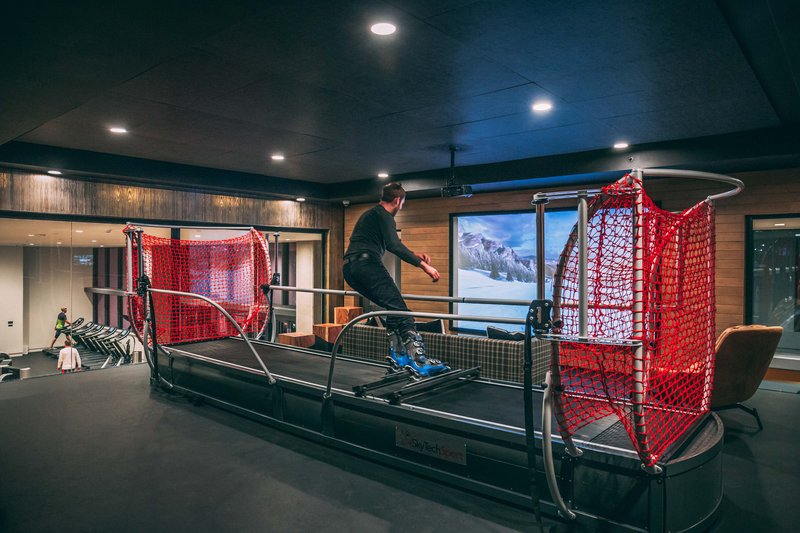
For facility owners and club directors, adding a ski or snowboard simulator to your offering transforms a seasonal business model into a year-round one. Ski clubs can retain members throughout the summer, generate additional coaching revenue, and attract new participants who want to learn before committing to a full ski holiday. Gyms and sports centres can offer a genuinely differentiated service that no standard equipment catalogue can match. SkyTechSport works with facility partners at every stage — from space planning and installation through to staff training and ongoing technical support — so that the transition to offering simulator sessions is straightforward. The business case is reinforced by the fact that a single simulator can serve multiple users per hour, making the return on investment both predictable and tangible.
Bring a Virtual Snow Machine to Your Facility
Talk to our team to find the right ski or snowboard simulator for your space and goals.
Build Your Snow Simulator →