Indoor Ski School Business Plan: Your Complete Guide
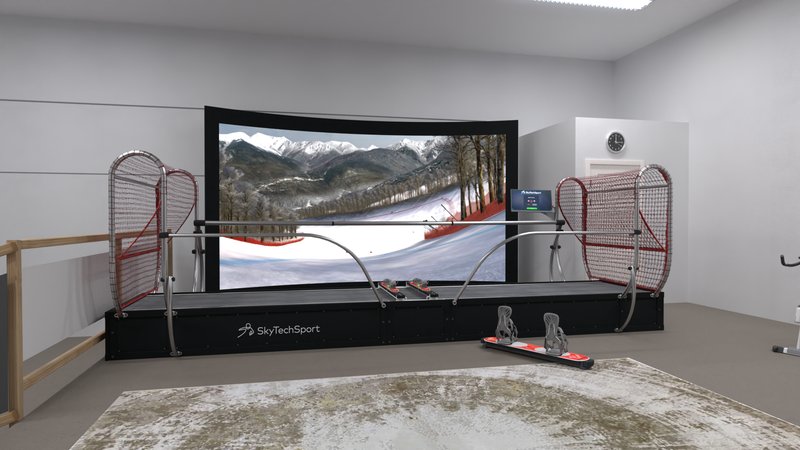
The indoor ski and snowboard training market has never been more attractive. Resorts face unpredictable snowfall, lift queues grow longer every season, and parents are increasingly willing to invest in structured coaching for their children year-round. If you have been researching how to write an indoor ski school business plan, you are entering a space with genuine, growing demand — and the right equipment and strategy can make your facility a community cornerstone for snow sports development.
Start with Market Research and a Clear Vision
Before committing a single pound or dollar to equipment, spend time understanding your local market. Who are your potential students? Beginners who want to learn before their first resort holiday, competitive skiers and snowboarders looking for off-season edge work, and children in junior development programmes are the three audiences most indoor facilities successfully serve. Survey local ski clubs, school sports departments, and existing ski-holiday companies to gauge genuine demand. Map your competition: are there dry slopes, real snow domes, or other simulator studios within a 30-minute drive? If the nearest snow facility is more than an hour away, your market opportunity is significantly stronger.
Your vision statement should answer three questions concisely: who you serve, what transformation you deliver, and how your facility is different. A clear vision shapes every downstream decision, from the equipment you choose to the instructors you hire.
Choosing the Right Simulator Equipment
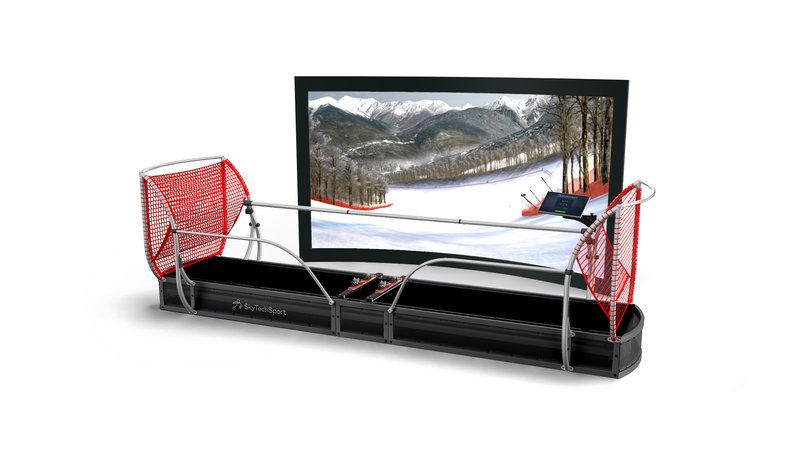
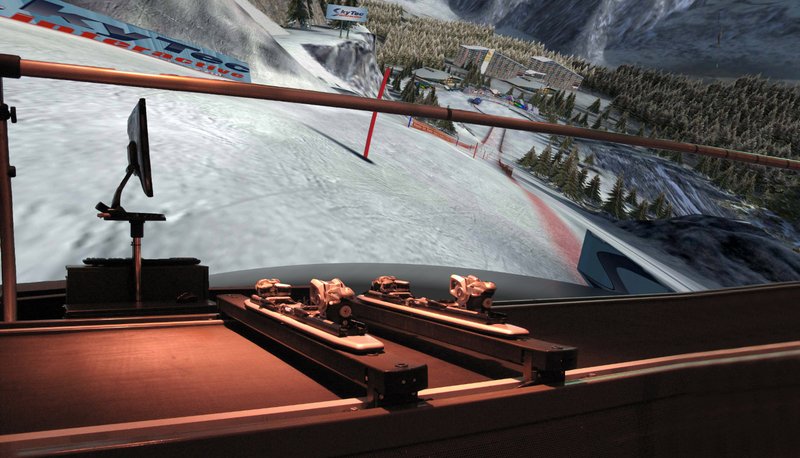
The equipment you install is the heart of your business plan and its single largest capital decision. SkyTechSport's ski and snowboard simulators are purpose-built for professional training environments, delivering realistic slope feel through moving belt technology and adjustable gradient settings. A single simulator unit can host back-to-back 30-minute or one-hour sessions throughout the day, generating consistent throughput without the weather dependency that plagues outdoor facilities.
For facilities that want to expand beyond ski and snowboard sessions, the BalancePlay Pro offers balance and coordination training that translates directly into on-slope performance — making it a strong upsell for junior athletes and rehabilitation clients alike. Adding a BotBoxer station to your floor plan can attract cross-training athletes and boost overall footfall on days when ski bookings are lighter. Diversifying your equipment portfolio means diversifying your revenue, which makes your business plan considerably more resilient.
Mapping Out Your Revenue Streams
A sound indoor ski school business plan identifies multiple income channels rather than relying on a single source. Consider building your model around the following streams: individual lesson bookings (the core), group lesson packages sold as a block of six or eight sessions, junior academy memberships with a monthly direct debit, corporate team-building half-days, school holiday intensives, and birthday party or private event hire. Membership and block-booking models are particularly valuable because they smooth out weekly revenue fluctuations and create predictable income you can plan staffing against.
Pricing should reflect both your cost base and the premium experience you are offering. Indoor simulator training commands a higher hourly rate than a standard gym class because the skill transfer is specific, measurable, and typically guided by a qualified instructor. Research what local dry slopes and skiing lessons cost in your region, then position your offering at a comparable or modest premium, justified by the convenience of a town-centre location and the ability to book sessions year-round.
Staffing, Qualifications, and Insurance
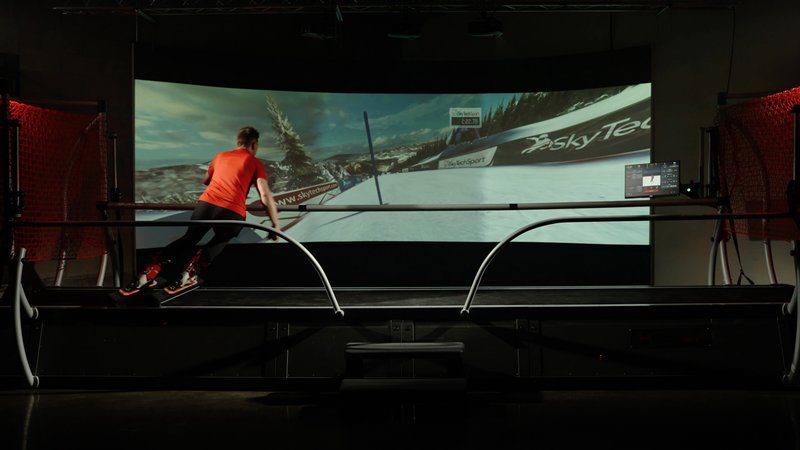
Your instructors are your brand. For an indoor ski school, you will typically look for staff who hold recognised ski or snowboard instructor qualifications — BASI, PSIA, or equivalent national certifications — alongside experience working with beginner and intermediate skiers. Many simulator facilities also hire instructors who hold performance coaching or sports science credentials, particularly if they intend to offer advanced race training or athlete development programmes.
On the legal and insurance side, ensure your business plan includes a section on liability insurance specifically covering instructor-led sports activity. Your simulator equipment supplier can often guide you toward the correct product categories, and SkyTechSport provides full technical documentation to support insurance applications. If you plan to work with under-16s, all instructors and relevant staff must carry appropriate safeguarding checks.
Location, Space Requirements, and Setup Costs
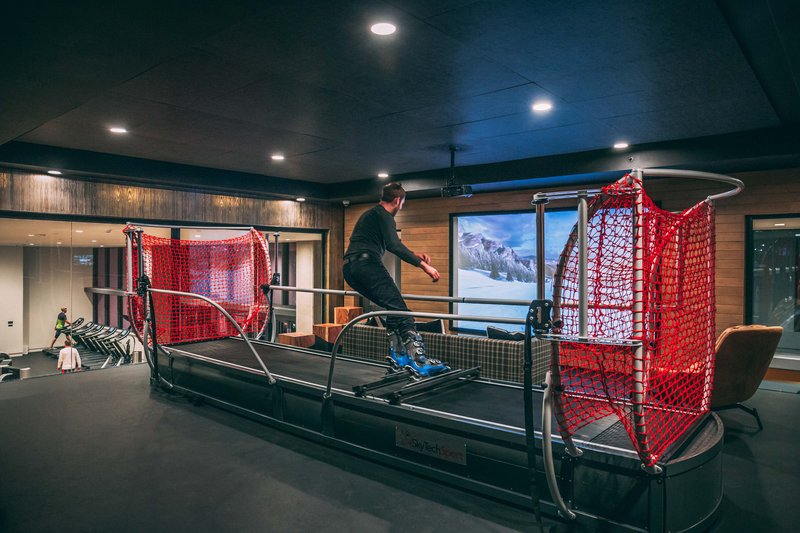
A single ski or snowboard simulator installation requires a footprint of roughly 20 to 40 square metres including safety clearance, depending on the model. A compact starter facility running two simulators, a reception, and a changing area can fit comfortably within 150 to 200 square metres — the size of a modest retail unit or a sports hall annex. Ideal locations include repurposed retail units, leisure centres with available floor space, and standalone commercial units on the edge of town with car parking. Proximity to schools, ski clubs, and family leisure destinations will influence your footfall significantly.
Your startup cost summary should itemise: simulator equipment purchase or lease, floor preparation and safety matting, branding and fit-out, booking software and payment systems, initial marketing budget, instructor salaries or freelance fees for the first three months, and a working capital reserve. A lease-versus-buy analysis for your equipment is worth including in your business plan, as leasing reduces upfront capital requirements and may be preferable if you are seeking a bank loan or investor backing.
Marketing Your Indoor Ski School
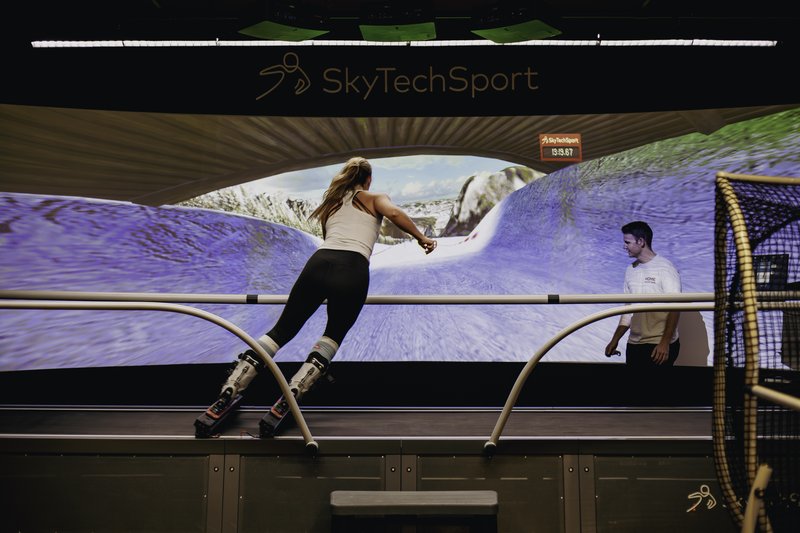
The most effective marketing channels for an indoor ski school are local SEO, social proof, and community partnerships. Claim and optimise your Google Business Profile from day one, targeting search phrases like 'ski lessons near me' and 'indoor ski training' alongside your city name. Short video clips of real sessions on the simulator perform extremely well on Instagram and TikTok — prospective customers want to see what a session actually looks like before they book.
Partner with local ski clubs, secondary schools, and holiday travel agents who sell package ski trips. Offering a free taster session to their members or customers is a low-cost acquisition strategy with a high conversion rate, because anyone who has committed to a ski holiday has a strong motivation to prepare. Build a simple email list from the first week you open and send a monthly newsletter with training tips, session availability, and seasonal promotions. Consistency beats big-budget campaigns for a local sports facility.
Ready to Build Your Indoor Ski Facility?
Talk to our team about simulator solutions that fit your business plan and budget.
Ski Simulators for Business →