Why Elite Winter Athletes Train Off-Snow Year-Round
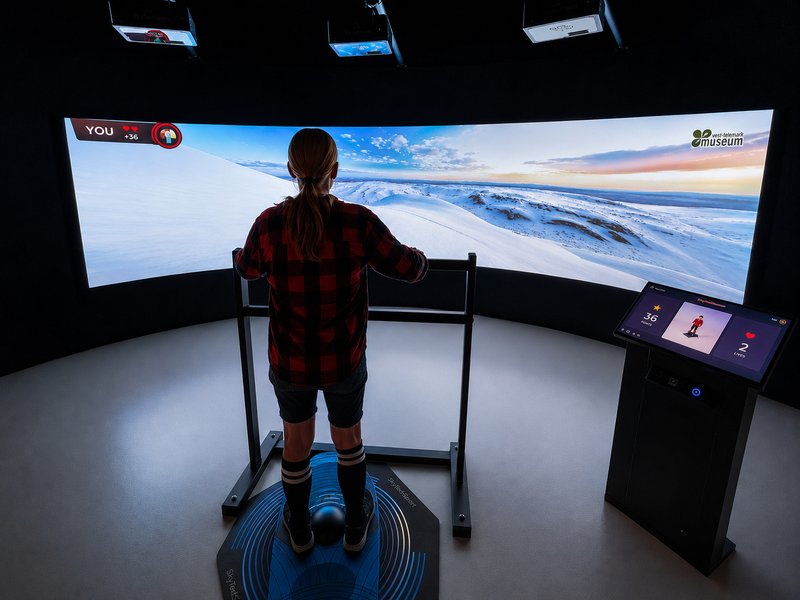
The competitive window for alpine skiing and snowboarding has always been brutally short. Early snow, late thaws, and access to high-altitude glaciers can extend on-mountain time by a few weeks — but they can never replace a structured, year-round development programme. The athletes who consistently stand on podiums are no longer coasting through summer. They are building the neuromuscular foundations that make every gate run, every carving arc, and every split-second edge engagement feel automatic when the season arrives. Off-snow training is no longer a supplement; for elite performers, it is the engine of progress.
The Hidden Cost of a Weather-Dependent Training Calendar
Coaches working with junior and senior national squads know the pain of a warm October or a compressed glacier camp. When on-snow access disappears, athletes cannot simply pause their development and pick up where they left off. Balance, proprioception, and reactive edge control are perishable skills. Research in sports science consistently shows that neuromuscular adaptations — the kind that let a slalom racer make micro-corrections in milliseconds — begin to regress within weeks of detraining. Waiting for snow is not a neutral act; it is a slow retreat from peak readiness. Facilities and coaches that close this gap with purposeful off-snow tools gain a measurable competitive advantage over those that rely on gym work and dryland drills alone.
Balance and Proprioception: The Foundation Nobody Sees
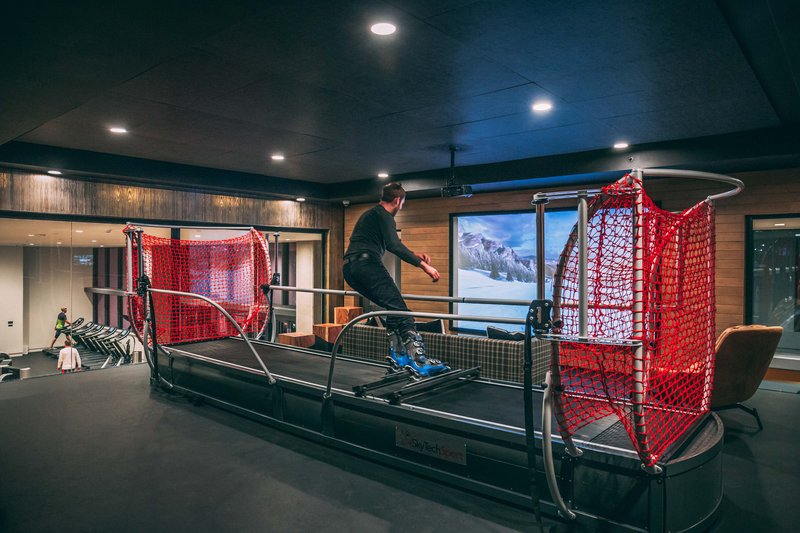
Ask any biomechanics coach what separates a technically sound recreational skier from a World Cup competitor and the answer almost always includes postural stability and proprioceptive precision. Elite skiers are not just stronger — they are more accurate. They know exactly where their centre of mass sits relative to a dynamic edge at speeds and pressures that would disorient most people. That accuracy is trained, not inherited. Off-snow proprioception work challenges the same sensory pathways used during real ski turns, meaning athletes arrive on snow with calibrated feedback systems rather than spending the first weeks of the season re-learning their own bodies. This is where purpose-built interactive training hardware earns its place in a high-performance programme.
BalancePlay Pro: Precision Training Without a Mountain
SkyTechSport's BalancePlay Pro was designed specifically to address the sport-relevant demands that generic balance boards and wobble cushions simply cannot replicate. The platform responds dynamically to the athlete's weight distribution and movement patterns, creating a constantly shifting challenge surface that mirrors the instability of a pressured ski edge on variable terrain. Coaches can programme sport-specific loading scenarios — replicating the demands of a tight slalom section, a long-radius GS arc, or the lateral instability of a mogul field — and track performance data across sessions. For performance facilities and ski clubs working with multiple athletes, that data layer is critical. Progress becomes objective, regression becomes visible early, and training loads can be individualised rather than guessed.
BalancePlay Pro also supports reaction training protocols. Skiers and snowboarders are constantly processing environmental signals — terrain changes, gate positions, competitor movements — and converting them into physical adjustments in fractions of a second. By integrating visual and auditory cues into balance challenges, coaches can train this stimulus-response loop in a controlled indoor environment. Athletes develop faster processing times and more decisive movement outputs, which translate directly to quicker recovery from unexpected terrain variations and sharper gate attack on race day.
Edge Control: Training the Skill That Decides Races
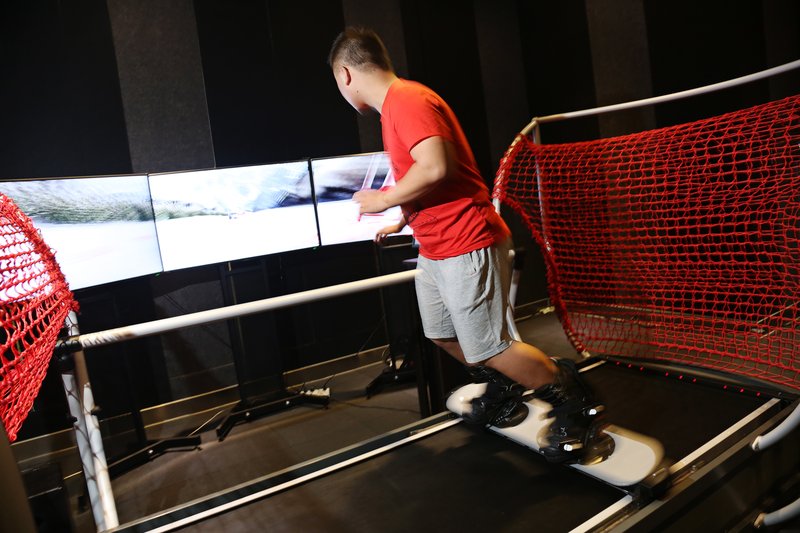
Edge control is simultaneously one of the most discussed and most undertrained aspects of alpine skiing. Every coach talks about it; far fewer have systematic methods for developing it off-snow. True edge control is not just about ankle stiffness or boot fit — it is about the athlete's ability to modulate lateral pressure continuously and precisely throughout the duration of a turn. That requires a chain of well-trained stabilisers from the foot to the hip, working in coordinated sequence. Off-snow training with a dynamic platform like BalancePlay Pro engages exactly this chain in a sport-specific movement pattern, building the motor programmes that allow edge management to become intuitive rather than conscious. For young athletes in particular, establishing these patterns before heavy on-snow volume is introduced can dramatically accelerate technical development.
Why Coaches and Facilities Are Making the Shift Now
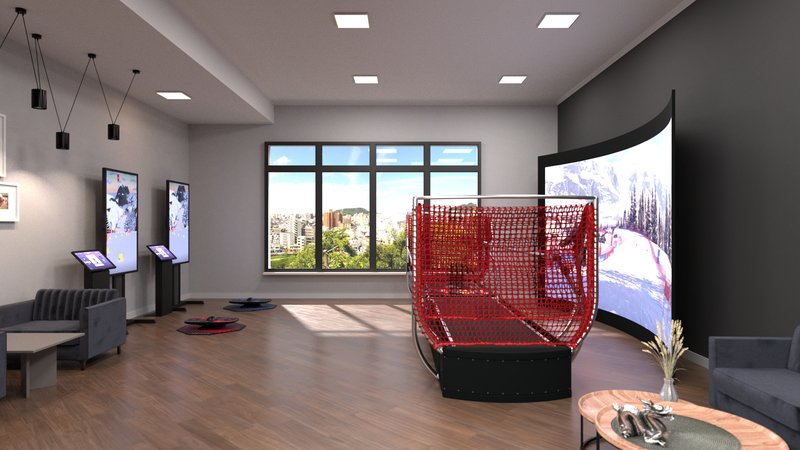
The shift toward structured year-round off-snow training is being driven by three converging pressures. First, athlete development timelines are compressing — clubs are expected to produce competition-ready performers faster than ever. Second, glacier access is increasingly restricted by cost, climate, and logistics, making alternative preparation methods not just valuable but essential. Third, performance facilities are under growing pressure to demonstrate measurable outcomes to athletes and their families. Generic fitness equipment can build physical capacity, but it cannot produce the sport-specific skill data that modern talent development demands. Interactive training systems like BalancePlay Pro address all three pressures simultaneously: they accelerate skill acquisition, remove weather dependency, and generate the performance metrics that give coaches and clubs a clear picture of athlete progress.