Ski Resorts Opening This Weekend: What to Expect & How to Get Ready
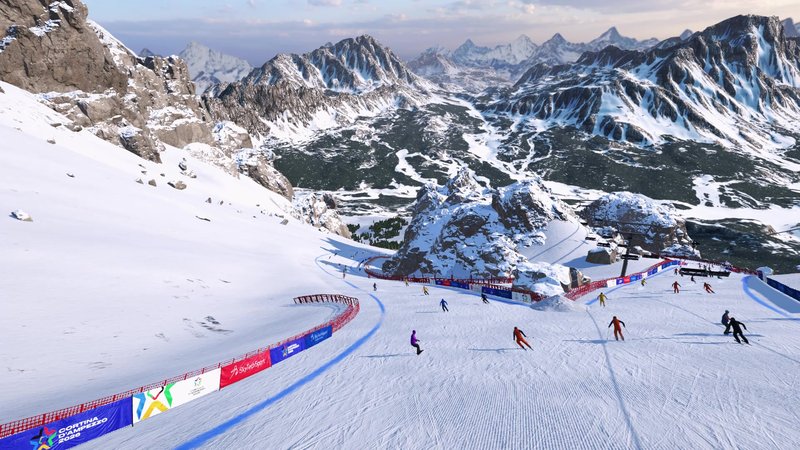
The smell of fresh corduroy, the hiss of a chairlift cable, the first carved turn of a new season — opening weekend at a ski resort is one of winter sport's great rituals. With late October 2026 arriving on schedule, a handful of early-season mountains are already blowing snow and posting their lift-opening dates. Whether you're a weekend warrior or a dedicated racer, the weeks before that first run matter enormously. Here's a look at who's opening, what the experience will be like, and how to arrive genuinely ready.
Which Resorts Are Opening This Weekend (Late October 2026)
Early-season openings in North America traditionally cluster around a short list of high-altitude or snowmaking-heavy destinations. As of late October 2026, resorts that typically lead the charge include Keystone Resort in Colorado (historically one of the first in the Rockies, often opening as early as mid-October and expanding terrain by the last weekend of the month), Loveland Ski Area in Colorado (renowned for reliable early snowmaking at elevation), Arapahoe Basin in Colorado (high base elevation keeps natural snow around longer), and Mammoth Mountain in California (benefits from Sierra storm cycles that often arrive in October). In the Pacific Northwest, Mt. Bachelor in Oregon and Stevens Pass in Washington frequently announce partial opening weekends in late October when weather cooperates. In the East, Killington Resort in Vermont is almost always first on the board, leveraging its massive snowmaking infrastructure to open a run or two by late October most years. Always verify current opening status directly on each resort's official website or social media channels before you travel, since snowpack and weather can shift openings by days in either direction.
Opening Weekend Protocols: What to Expect on the Mountain
Opening weekend is exciting, but it operates differently from mid-season. Understanding the protocols helps you stay safe and manage expectations. First, terrain is limited — resorts typically open one to three beginner and intermediate runs and a handful of lifts. Expert terrain, glades, and terrain parks are almost always closed until snowpack builds. Expect roped-off areas everywhere and frequent reminders from ski patrol about closed zones. Ski patrol presence is heavy, and boundary enforcement is strict; ducking ropes on opening weekend carries serious consequences including loss of your pass. Lift lines can be surprisingly long despite limited terrain because demand concentrates on a small number of open runs. Arriving early — ideally at the first chair — is the single best way to maximise your time on snow. Rental shops and ski school desks are equally busy, so if you need a tune-up on rental gear or a refresher lesson, booking in advance online is strongly recommended. Many resorts now use digital lift tickets and season-pass activation through an app or RFID card, so have yours loaded before you leave home to skip the ticket-window queue.
Early-Season Snow Conditions and How to Ski Them
Machine-made snow and early-season natural snow ski differently from the mid-winter powder most skiers dream about. Snowmaking produces a denser, icier surface that can feel unforgiving, especially in the afternoon when skier traffic polishes it further. Edges need to be sharp — get your skis or board tuned before the trip, not after. Exposed rocks and dirt are common even on groomed runs in late October; look ahead and be prepared to dodge debris. Wear a helmet without exception. Impact severity on firm early-season snow is higher than on soft mid-winter conditions, and a helmet dramatically reduces head-injury risk. Goggles with a versatile lens tint (something in the S2–S3 range) work well for the mix of flat light and bright sun that characterises late-October mountain days.
How to Prepare Your Body Before You Hit the Slopes
The biggest mistake recreational skiers make is going from the couch to the chairlift with no preparation in between. The specific demands of skiing and snowboarding — sustained quad engagement, rapid lateral weight shifts, core stabilisation through variable terrain — are unlike everyday gym work. A targeted pre-season programme makes your first runs feel confident rather than punishing. Compound movements like squats, lunges, and Romanian deadlifts build the quad and glute strength needed to sustain a proper athletic stance. Lateral band walks and single-leg balance drills develop the hip stability that keeps you centred over your edges. Cardio capacity matters too; even moderate-intensity skiing at altitude is aerobic work, and fitness gaps show up fast on a long run. Ideally, start this programme six to eight weeks before your first day on snow. If you're reading this on opening weekend, even a week of focused movement will reduce soreness and sharpen your reactions.
Train Your Technique Indoors with a Ski Simulator
Physical fitness is only half the preparation equation — technique is the other. Muscle memory for carving, edge control, and dynamic balance deteriorates over summer, and the only way to rebuild it is through repetition. That's where indoor training on a ski simulator becomes genuinely valuable. SkyTechSport's ski and snowboard simulators replicate the lateral weight-shifting mechanics of real skiing on a moving belt surface, letting you engrain proper angulation, stance width, and turn initiation before you ever clip into a lift. Pairing simulator sessions with balance-board work on the BalancePlay Pro adds the proprioceptive challenge that mirrors the unpredictable micro-terrain of real snow. These tools are used not only by elite racers but by recreational skiers who want opening weekend to feel like mid-season form, not a shaky reawakening. A few focused sessions in the weeks leading up to your resort trip can compress the 'rust removal' phase dramatically.
Opening Day Checklist: Don't Forget These Essentials
A little pre-trip organisation goes a long way on opening weekend. Confirm your lift ticket or season pass is activated and loaded digitally. Book ski school lessons or rental equipment in advance online. Get your skis or board tuned and edges sharpened — do not skip this on early-season hardpack. Pack sunscreen; UV exposure is intense at elevation even in late October, and snow reflects it back at you. Bring layers you can add or remove; mountain temperatures swing significantly from first chair to midday. Hydrate proactively, especially if you're travelling to altitude from sea level — hydration supports altitude acclimatisation more than any supplement. Finally, set realistic expectations: opening weekend is about rediscovering your ski legs and celebrating the return of the season, not logging maximum vertical. Ski fewer runs, ski them well, rest when you need to, and you'll come home energised rather than wrecked — and ready for the rest of the season.
Get Your Ski Legs Back Before Opening Day
Ask our team how ski simulator training can prepare you for the slopes this season.
Build Your Own Simulator →