How to Improve Your Reflexes and Reaction Time for Any Sport
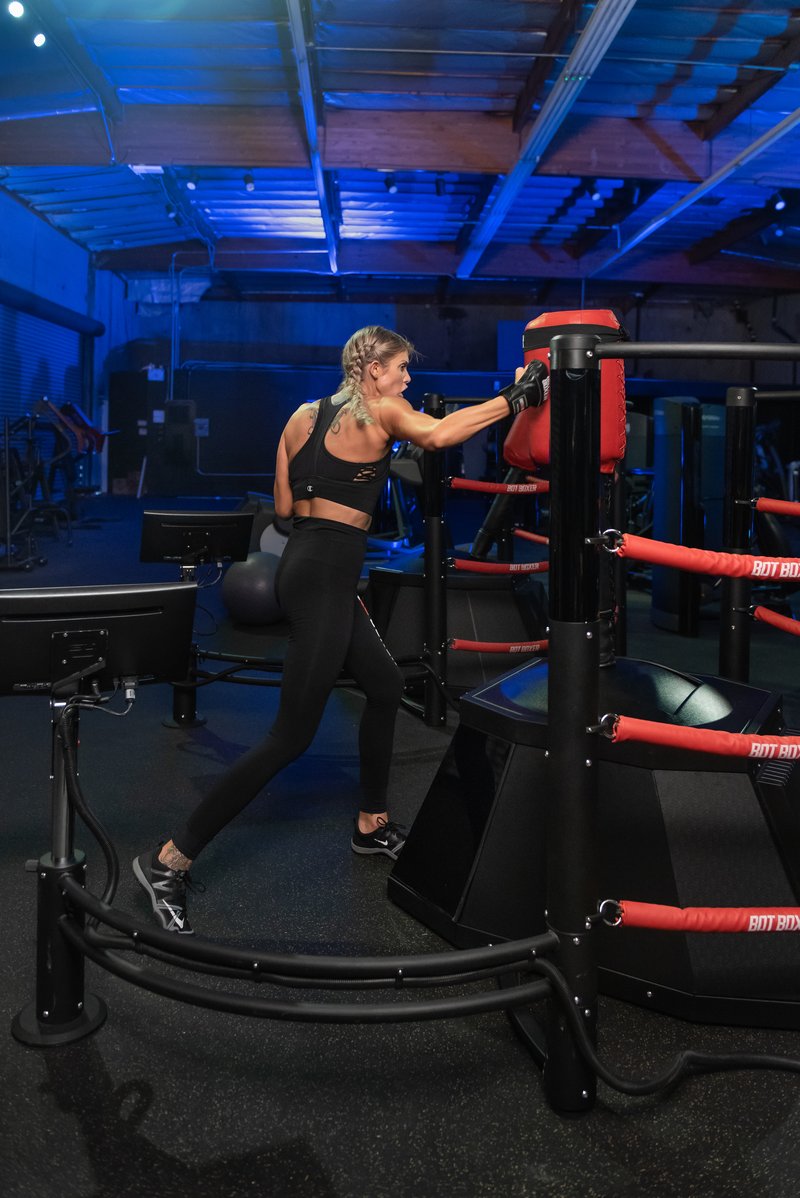
Whether you play tennis, football, boxing, skiing, or basketball, one trait separates good athletes from great ones: the ability to react faster than the competition. Reflexes and reaction time are not purely genetic gifts — they are trainable skills. With the right methods and the right tools, any athlete at any level can measurably close the gap between stimulus and response, and that fraction of a second can be the difference between a win and a loss.
What Are Reflexes and Reaction Time, Really?
Reaction time is the interval between a stimulus — a sound, a visual cue, a movement — and your body's response to it. Reflexes, while related, are largely automatic nervous-system responses. Both are governed by neural pathways: the faster your brain and nervous system communicate, the quicker your body acts. The encouraging news is that the nervous system is highly adaptable. Regular, targeted practice physically strengthens the neural connections involved in fast reactions, a process neuroscientists call myelination. In plain terms, repetition wraps your nerve fibers in a faster-conducting sheath, so signals travel more efficiently.
Why Reaction Time Matters Across Every Sport
A tennis player reading a 130 mph serve has milliseconds to decide where to swing. A skier navigating a gate course must process terrain changes almost simultaneously with executing turns. A boxer slipping a jab relies on anticipatory reflexes built through thousands of hours of pattern recognition. Even team-sport athletes — point guards, wide receivers, hockey defenders — depend on split-second decisions. Reaction time is not a single-sport luxury; it is a universal athletic currency.
Proven Methods to Train Faster Reflexes
There is no single magic drill, but a combination of evidence-based approaches consistently produces results. First, anticipation training teaches athletes to read cues before a stimulus fully develops — studying opponent body language or terrain ahead of time so the brain begins processing earlier. Second, sport-specific pattern drills build the subconscious recognition that makes experienced athletes appear to react instantly; they are not reacting faster, they are predicting better. Third, strobe and visual-occlusion training forces the visual system to work harder, improving the speed at which the brain interprets partial information. Fourth, dynamic balance and proprioception work — ladder drills, single-leg exercises, balance boards — keeps the musculoskeletal system primed to execute the movement once the brain sends the signal. Finally, controlled stress exposure, replicating the pressure of competition, trains athletes to maintain reaction speed when adrenaline and fatigue are present.
How Technology Is Changing Reflex Training
Traditional drills are valuable, but modern training technology takes athlete development to a new level by providing instant, objective feedback. SkyTechSport's BotBoxer is a purpose-built reactive training system that uses intelligent target patterns to challenge fighters and athletes to respond with speed and precision in real time. Unlike static bags or scripted pad work, BotBoxer generates unpredictable combinations that force the nervous system to stay fully engaged, session after session — which is exactly the kind of varied, progressive stimulus that drives measurable improvement in reaction time. Athletes across combat sports, team sports, and general fitness use BotBoxer to build the reactive edge that carries over into competition.
For athletes on snow or in indoor ski-training environments, SkyTechSport's ski and snowboard simulators create a powerful reactive challenge by replicating real slope feedback in a controlled setting. Reacting to shifting surface dynamics on a simulator builds the same quick-twitch neuromuscular responses demanded on an actual mountain, without weather dependency or travel cost. The BalancePlay Pro adds another dimension by targeting the proprioceptive and balance systems that underpin every reactive movement an athlete makes — on snow, on a court, or in the ring.
Building a Reflex Training Routine That Sticks
Consistency beats intensity when it comes to neural adaptation. Short, focused reactive sessions performed regularly — three to five times per week — outperform occasional marathon workouts. A practical structure might look like this: open with five minutes of anticipation cue practice relevant to your sport, move into ten to fifteen minutes of reactive drill work (BotBoxer rounds, ladder sequences, or simulator sessions), then close with a brief mindfulness or visualization segment to reinforce mental processing speed. Track your progress with timed tests at consistent intervals so you can see the gains accumulating and adjust intensity as your baseline improves.
Recovery and Sleep: The Hidden Reflex Boosters
Neural adaptation happens during rest, not during training. Sleep deprivation is one of the most reliably documented ways to slow reaction time — even modest sleep debt degrades performance measurably. Prioritizing seven to nine hours of quality sleep, managing stress levels, and including recovery days in your training schedule are not optional extras; they are fundamental to the gains you are working for. Hydration and nutrition also play a supporting role — the brain is an electrochemical system, and it performs best when it is properly fueled.
Start Measuring, Start Improving
The first step in improving any physical quality is establishing a baseline. Simple online reaction-time tests, sport-specific timing gates, or the performance data generated by tools like BotBoxer all give you a concrete starting point. From there, systematic, progressive training — combining anticipation work, reactive drills, balance training, and adequate recovery — will produce real, measurable results over weeks and months. The athletes who close the gap fastest are the ones who train with intention, track their numbers honestly, and use the best tools available to them.
Ready to Train Your Reflexes?
Explore SkyTechSport's reactive training systems and find the right tool for your sport and goals.
Test Your Reflexes →