How to Open an Indoor Ski Studio: Your Complete Guide
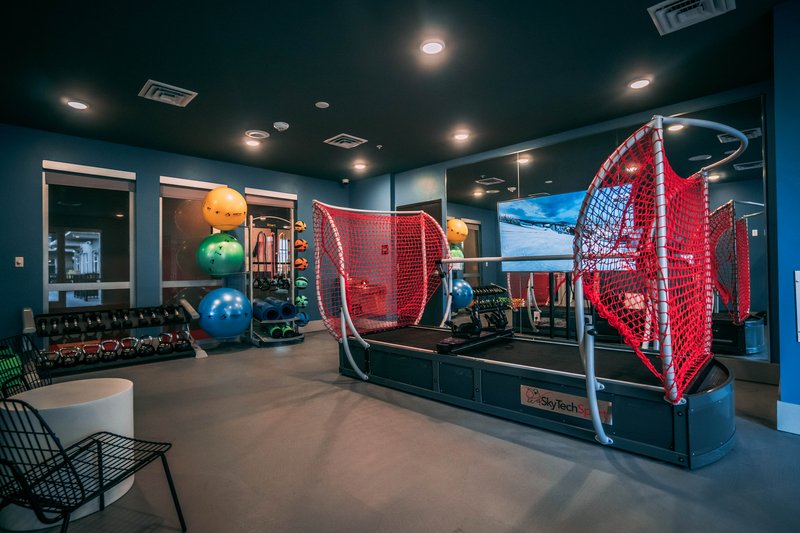
The indoor ski training market is growing steadily, and for good reason. Skiers and snowboarders want to sharpen their technique year-round, parents want safe, coach-guided progression for their kids, and fitness-focused consumers are looking for something more exciting than another treadmill. If you have been thinking about how to open an indoor ski studio, you are stepping into a genuinely exciting niche with strong recurring revenue potential. This guide walks you through every major decision, from finding the right space to choosing the equipment that makes your studio worth visiting again and again.
Define Your Business Model Before You Sign a Lease
Before you look at a single property, get clear on who you are serving and how you will earn revenue. Indoor ski studios typically blend several income streams: pay-per-session bookings, monthly memberships, private coaching packages, corporate team-building events, and seasonal ski-preparation programs. Knowing your primary audience, whether that is competitive juniors, recreational adults, or fitness enthusiasts, shapes every decision that follows. A studio aimed at competitive racers will look very different from one designed around family fun and fitness. Write a one-page business plan that names your target customer, your three core revenue streams, and the price points you intend to test in your first six months.
Choosing the Right Location and Space
Indoor ski simulators do not require a mountain, but they do require thoughtful space planning. A single ski or snowboard simulator typically needs a footprint of roughly 15 to 25 square metres including a safe run-off zone, though always verify the exact specifications with your equipment supplier. Ceiling height matters too: most simulators need a minimum of 3 to 3.5 metres of clearance. Industrial units, former retail spaces, and leisure-centre annexes all make viable candidates. Look for locations with strong car-parking provision, good visibility from a main road, and proximity to your target demographic, such as near ski shops, sports clubs, or schools with strong outdoor-education programmes. Your lease should ideally allow for a fit-out period of at least four to six weeks before your rent-paying term begins.
The Equipment at the Heart of Your Studio
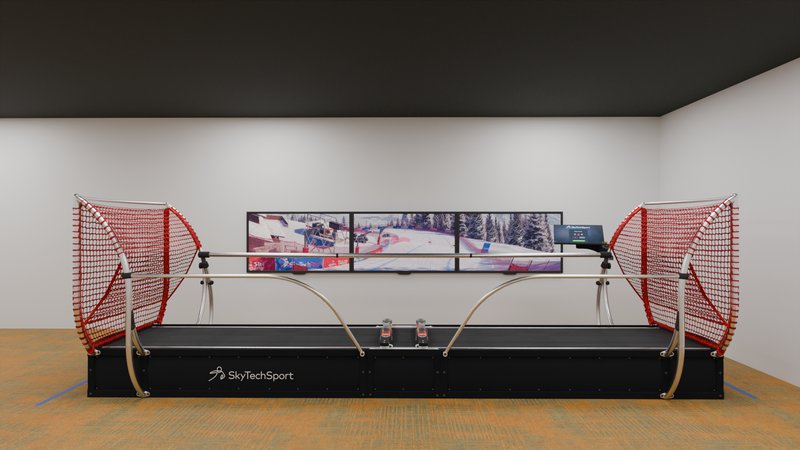
Your simulator choice is the single most important decision you will make. SkyTechSport's ski and snowboard simulators are purpose-built for commercial environments and deliver an authentic, adjustable slope experience that keeps clients progressing and coming back. For studios that want to extend the training offering beyond skiing, the BalancePlay Pro is an excellent addition — it develops the core stability, edge control, and proprioceptive awareness that directly translate to better on-slope performance. If you plan to attract fitness clients or want a boxing-inspired cross-training station, BotBoxer rounds out a multi-sport training floor. Investing in commercial-grade equipment from day one matters enormously: downtime kills customer trust, and consumer-grade units simply are not built for six-to-eight-hour daily operation. Request a demonstration before you commit, and make sure your supplier can provide installation support, operator training, and a clear parts-and-service agreement.
Licensing, Insurance, and Safety Compliance
Regulatory requirements vary by country and region, so consult a local business adviser early. At a minimum, most indoor sports venues will need public liability insurance, employer's liability insurance, a risk assessment for each piece of equipment, and compliance with any relevant leisure or fitness industry codes of practice. If you plan to employ ski or snowboard instructors, check whether your region requires or recognises national coaching certifications, and consider whether you want to affiliate with your national ski or snowboard federation to add credibility to your programme. A clear set of participant waivers, mandatory safety briefings, and a minimum-age policy will protect both your clients and your business.
Staffing, Programming, and the Client Experience
Great equipment draws people in; great coaching keeps them coming back. Aim to hire at least one fully qualified ski or snowboard instructor as your lead coach, supplemented by fit, personable staff who can run supervised open sessions. Build a structured programme ladder — beginner taster sessions, intermediate technique clinics, advanced race training, and off-slope fitness using the BalancePlay Pro — so that every client has a clear next step. Online booking software is non-negotiable; clients expect to reserve and pay digitally. Consider a studio management platform that handles scheduling, membership billing, and automated reminder messages. Personal touches matter too: progress tracking cards, video playback of a client's session on the ski simulator, and small celebrations of milestones create the kind of community that generates word-of-mouth referrals.
Marketing Your Indoor Ski Studio for Long-Term Growth
Your marketing will work hardest if it targets people who are already motivated: local ski and snowboard clubs, school sports departments, sports physiotherapy practices, and corporate wellness teams are all strong referral sources. Build a Google Business Profile from day one and encourage every satisfied client to leave a review — local SEO is your highest-return digital channel in the early months. Short videos of sessions on your ski and snowboard simulators perform extremely well on Instagram and TikTok, giving prospective clients a visceral sense of the experience before they book. Consider a soft-launch open day where local ski clubs, schools, and journalists can try the equipment for free: the social content and press coverage typically far outweigh the cost of a few complimentary sessions. As you grow, a well-structured referral programme and a monthly email newsletter keeping clients informed about new programmes and seasonal ski-preparation camps will sustain retention and steady new enquiries.
Ready to Build Your Indoor Ski Studio?
Talk to our team about the right simulator setup for your space, budget, and business goals.
Ski Simulators for Business →