Carving Drills That Actually Improve Your Edge Control on Snow
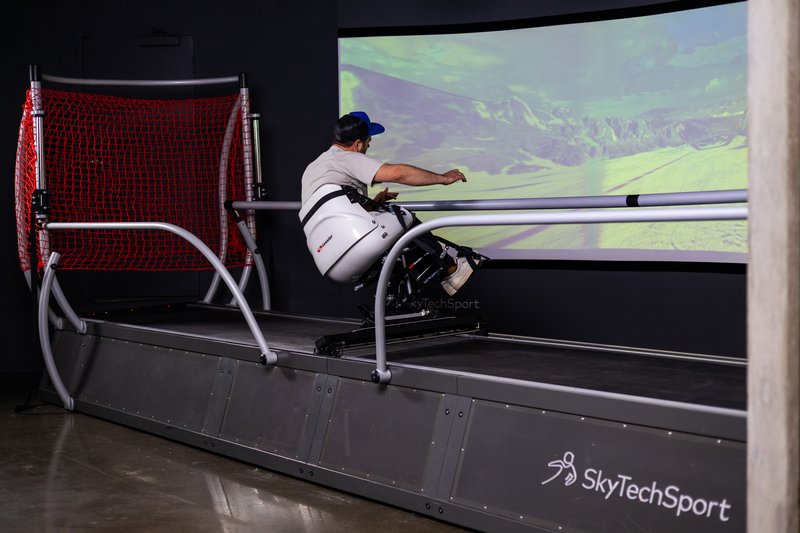
Clean carving turns are the hallmark of an accomplished skier. That satisfying arc etched into groomed snow — no skidding, no scraping, just rail-smooth edge engagement — is the result of precise coordination between body position, edge angle, and pressure timing. Yet most skiers plateau because they only get to practise on the mountain a few weeks a year. Targeted carving drills, repeated consistently and with good feedback, are the fastest route past that plateau. Here is a structured breakdown of the drills that actually move the needle, and how you can build repetition into your training even when there is no snow in sight.
Why Carving Drills Work Better Than Unstructured Runs
A recreational skier doing free runs is essentially rehearsing whatever habits they already have. Drills isolate a single variable — edge angle, hip angulation, fore-aft balance — so the nervous system can learn that one element cleanly before integrating it into a full turn. Research in motor learning consistently shows that blocked practice on a specific sub-skill transfers faster to the full skill than random free practice. For carving specifically, this means intentional, repeatable drills beat resort laps every time when improvement is the goal.
The Core Carving Drills, Explained Step by Step
Railroad Tracks Drill: On a gentle groomed slope, aim to leave two parallel pencil-thin lines in the snow — one from each ski — with zero skid mark between them. This is the fundamental feedback test for a true carved arc. If your tracks splay or smear, your edges are releasing early or your upper body is rotating into the turn. Focus on tipping the skis onto edge simultaneously and maintaining a stable, quiet upper body throughout the arc.
Javelin Turns: Lift the uphill ski slightly off the snow and hold it parallel to the lower ski while completing a carved arc on the single downhill ski. This forces you to commit weight fully to the outside ski and develop strong ankle and knee angulation. Even a few seconds of balance on one edge dramatically improves your sense of edge pressure and where it should live across the foot.
Phantom Move: Initiate each new turn by tipping the little-toe edge of the new inside ski first. This subtle move engages the whole kinetic chain — ankle rolls, knee tips inward, hip drops — and encourages the body to angulate naturally rather than bank. Many skiers discover that this single drill resolves chronic hip-banking and late edge engagement in the same session.
Javelin to Both Skis (Transition Drill): Begin each turn in a javelin position, then gently set the lifted ski back down at the apex and finish the arc on two skis. The transition point teaches you the exact moment of edge change and trains you to maintain speed and direction through it without resorting to a rotary push.
Short-Arc Carving at Slow Speed: On a very gentle pitch, draw tight, short-radius carved turns at a controlled pace. Slow speed removes momentum as a crutch and exposes any muscular or positional deficit immediately. If the arc skids at low speed, it is only luck — and gravity — keeping it clean at high speed.
Common Errors These Drills Expose
Most carving errors fall into three categories. First, banking rather than angulating: the hips drop into the hill but the upper body follows, reducing effective edge angle. The Phantom Move drill directly addresses this. Second, early rotation: the outside shoulder swings into the turn, causing the tails to wash out. Javelin Turns eliminate the option of muscling a turn with the upper body. Third, fore-aft instability: weight too far back loads the tails and prevents early edge engagement; too far forward over-tips into the turn. The Railroad Tracks drill gives honest visual feedback on where fore-aft pressure is sitting.
How a Ski Simulator Lets You Drill Year-Round
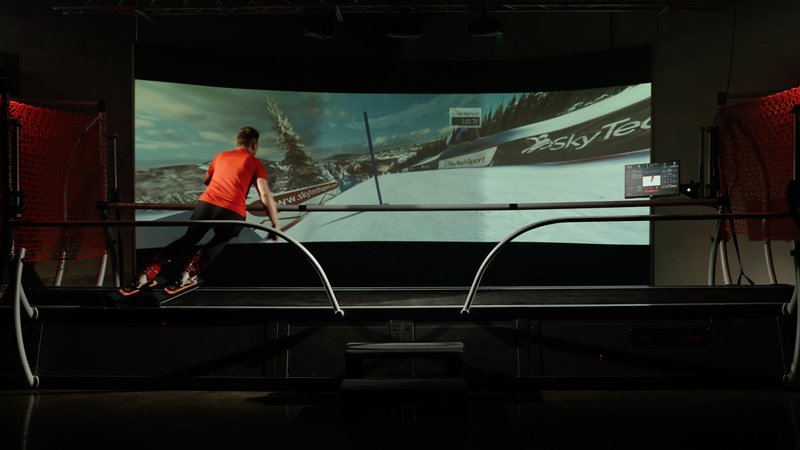
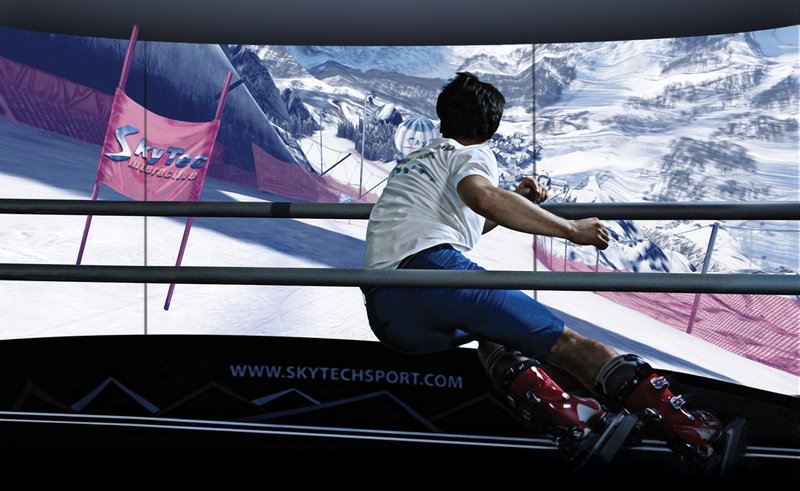
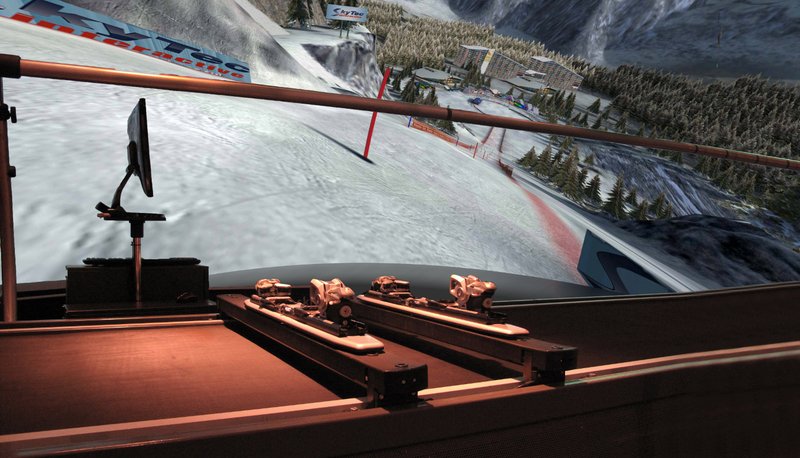
The biggest limiting factor for carving improvement is repetition. A typical resort day offers perhaps 20 to 30 runs, each with lift queues, variable snow conditions, and the social context of skiing with others. Focused drilling on even a quarter of those runs is optimistic. A ski simulator changes that equation entirely. SkyTechSport's ski simulators replicate the biomechanics of edging, pressure distribution, and turn initiation on a moving surface that responds to your input in real time. You can isolate any of the drills above — Phantom Move, Javelin Turns, Short-Arc Carving — and repeat them hundreds of times in a single hour, with no lift queue and no consequence for experimenting.
Because the simulator captures your movement data continuously, coaches can see exactly where edge engagement is happening (or not) and cue corrections immediately. This tight feedback loop is the same reason professional athletes use video and biomechanical analysis: it closes the gap between what you think you are doing and what is actually happening. Facilities like Home Mountain Ski Club integrate simulator sessions into structured coaching programmes precisely because the combination of repetition and real-time feedback accelerates skill acquisition in a way that resort visits alone cannot replicate.
Building a Carving Drill Programme Before the Season
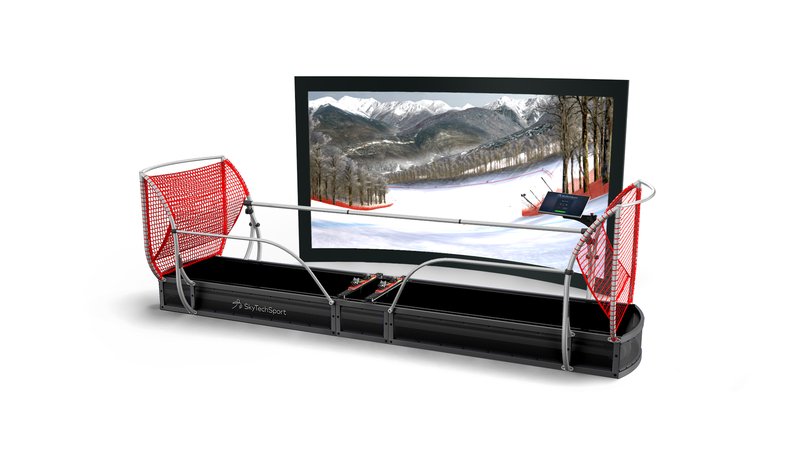
A practical off-season or pre-season plan might look like this: spend two to three simulator sessions in the eight weeks before your first resort trip isolating edge-tipping mechanics at low simulated speed. Add Javelin Turn patterns once the basic edge feel is established. In the final two weeks before the trip, integrate the drills into continuous rhythm runs on the simulator to build timing and flow. When you arrive on snow, the movement patterns are already grooved — you are refining and confirming them rather than learning from scratch. Skiers who follow this kind of structured pre-season programme consistently report that they feel sharper on day one of the season than they did on the last day of the previous one.
Take Your Edge Control to the Next Level
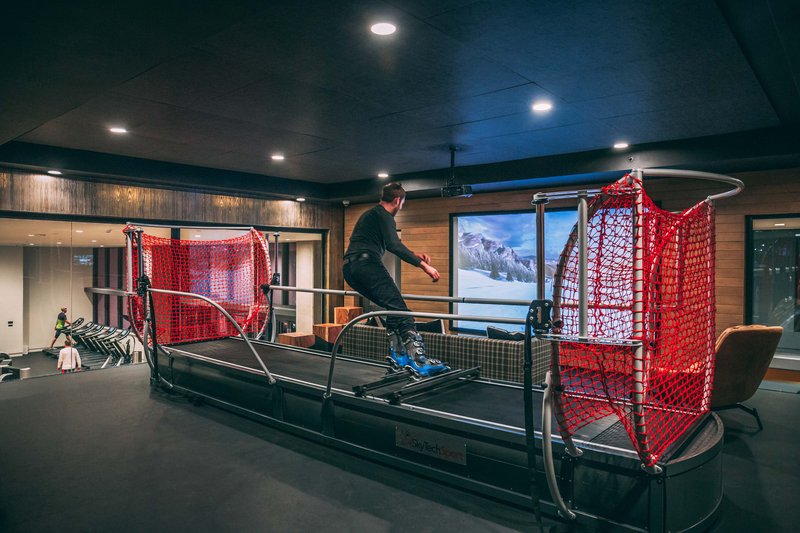
Carving drills are not just for racers. Any skier who wants to move with efficiency, control, and genuine confidence on groomed terrain will benefit from deliberate edge practice. The drills above give you a clear, progressive framework. Combine them with simulator training to multiply your repetitions and sharpen your feedback loop, and you will carry that cleaner arc onto the mountain every time you ski.
Start Your Carving Training Today
Book a simulator session and let our coaches put your edge technique under the microscope.
Explore Ski Simulators →