Skiing is one of the most exciting sports on the mountain, but many skiers experience the same frustrating problem: their legs get tired quickly.
If you’ve ever asked yourself “Why do my legs get so tired when skiing?”, you’re not alone. Leg fatigue is one of the most common issues skiers face, especially beginners and intermediate riders.
The good news is that tired legs while skiing usually come down to a few correctable factors like technique, muscle endurance, and stance.
Below we’ll break down why your legs burn while skiing and what you can do to fix it.
One of the biggest reasons skiers experience leg fatigue is excessive muscle tension.
When you’re nervous or unsure about your technique, it’s natural to tighten up your legs and brace against the mountain. Unfortunately, this constant tension forces your quadriceps to work overtime.
Instead of letting your legs move fluidly with the terrain, they stay locked and rigid.
Focus on maintaining an athletic, relaxed stance:
A more balanced stance allows your skeleton and joints to absorb forces rather than relying purely on muscle strength.
Another major cause of leg fatigue is skiing in the backseat.
When your weight shifts too far back, your quadriceps have to work much harder to control your skis and maintain balance.
This position often leads to:
Try focusing on pressure through your shins into the front of your ski boots. This helps keep your weight centered over the ski and allows the ski to do more of the work.
Professional instructors often emphasize this forward stance because it improves both control and endurance.
Many skiers unknowingly waste energy through inefficient movement patterns.
For example:
Efficient skiing is about using the ski’s design to your advantage. Modern skis are designed to carve and bend naturally through the snow, which reduces the amount of muscular effort required.
Practicing proper edging, pressure control, and balance can dramatically reduce leg fatigue.
Even very fit people can experience tired legs while skiing because the sport requires specific muscle endurance.
Skiing heavily engages:
Unlike many gym workouts, skiing requires constant eccentric muscle control, which means your muscles are lengthening while under tension.
This type of muscular demand is what causes that familiar thigh burn during long runs.
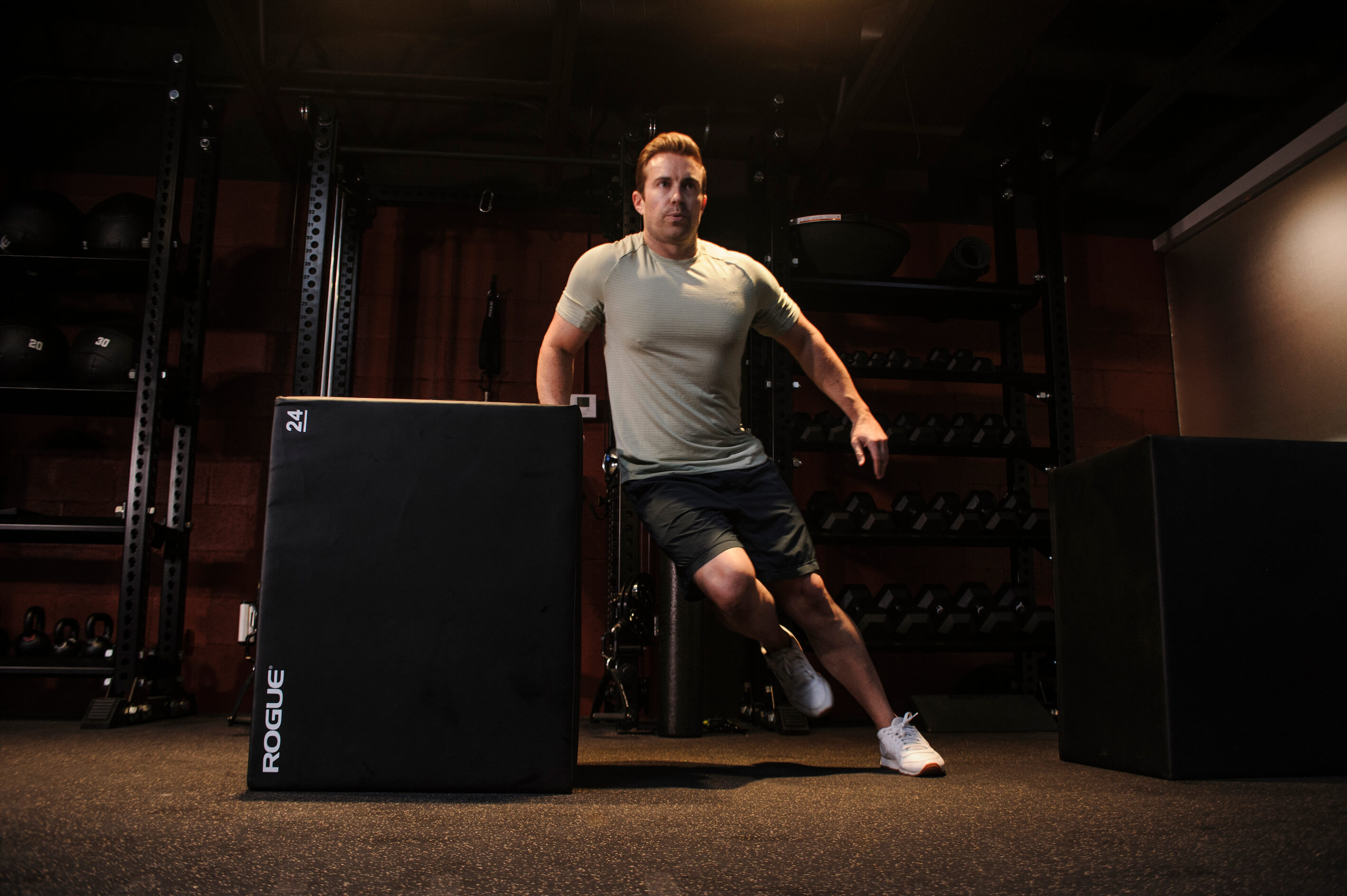
Off-snow training can help prepare your legs for the unique demands of skiing.
Some effective exercises include:
Training balance and coordination is also critical since skiing relies heavily on stabilizing muscles.
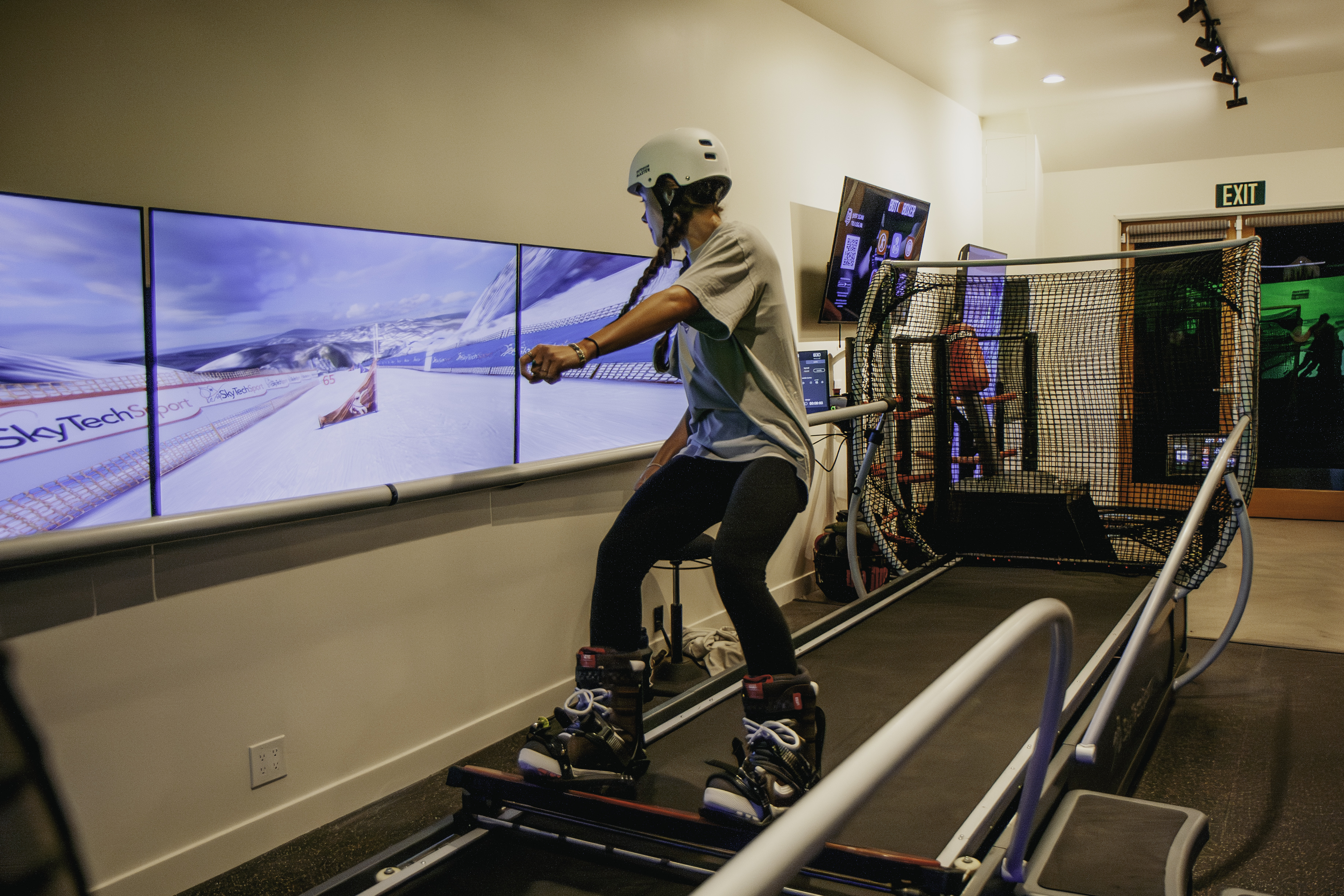
Some skiers use tools like the SkyTechSport Ski Simulator, which allows you to practice real skiing movements indoors while building strength and technique in a controlled environment. Because the simulator replicates the pressure, balance, and edging movements of skiing, it can help build ski-specific endurance without needing to be on the mountain.
A common mistake is relying almost entirely on your quadriceps to control your skiing.
Strong skiing technique actually distributes effort across multiple muscle groups, including the glutes and core.
If your quads are doing all the work, they’ll fatigue quickly.
Focus on:
When your whole body contributes to the movement, your legs will last much longer.
Sometimes the answer is simple: skiing is physically demanding, and it takes time to build endurance.
Even experienced skiers notice their legs getting tired early in the season. After a few days on snow, the muscles adapt and fatigue decreases significantly.
Consistent practice helps your body develop:
If your legs get tired quickly while skiing, it usually comes down to technique, conditioning, and stance rather than pure strength.
By focusing on proper balance, efficient movement, and ski-specific training, you can dramatically reduce fatigue and enjoy longer, more comfortable days on the mountain.
Practicing skiing movements off the mountain — whether through targeted training exercises or tools that simulate real skiing mechanics — can also accelerate improvement and build the endurance needed for longer runs.
With better technique and stronger ski-specific muscles, you’ll spend less time battling leg burn and more time enjoying the mountain.