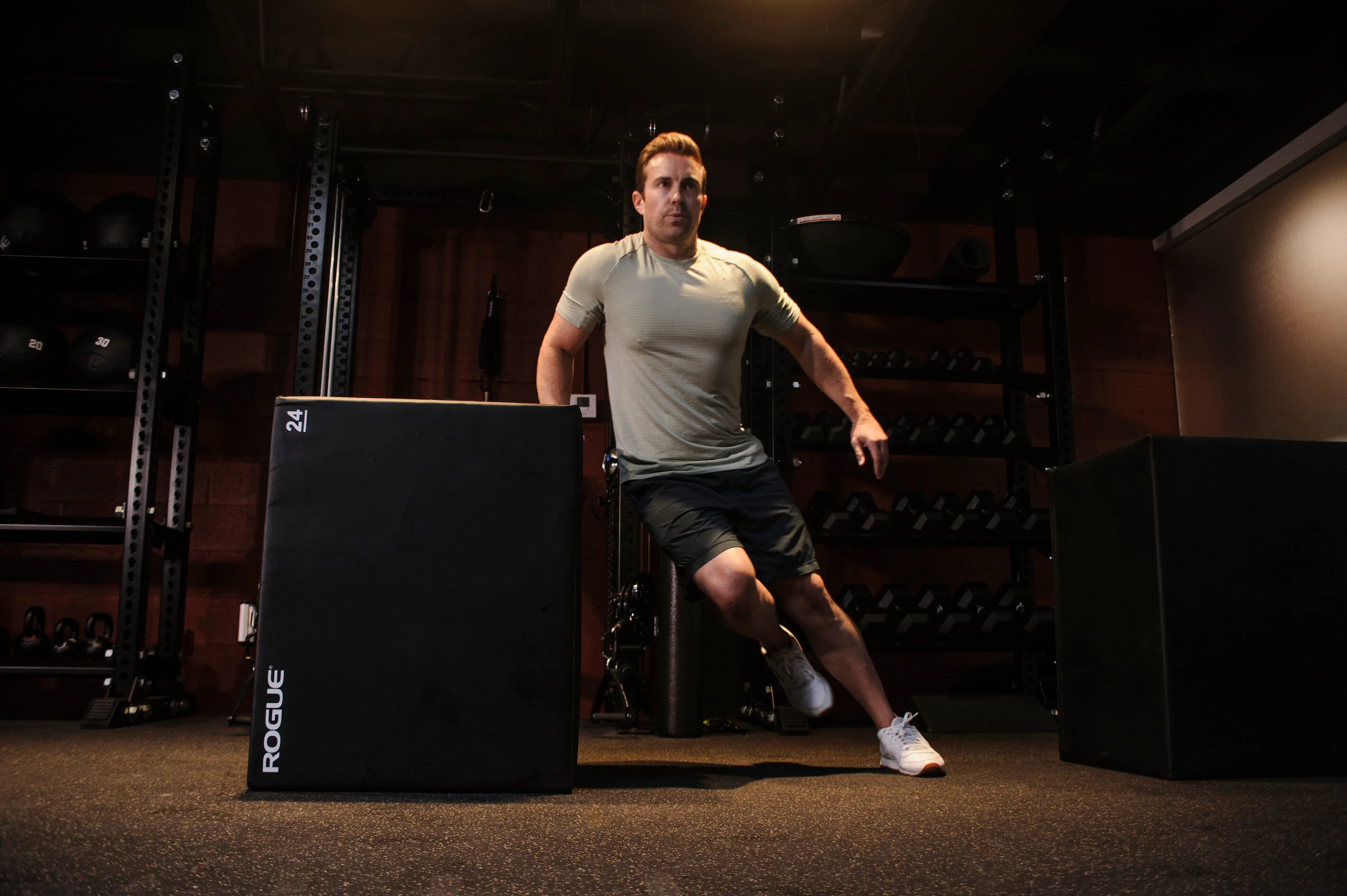
Why Prehab (Not Rehab) is the Key to Injury-Free Skiing
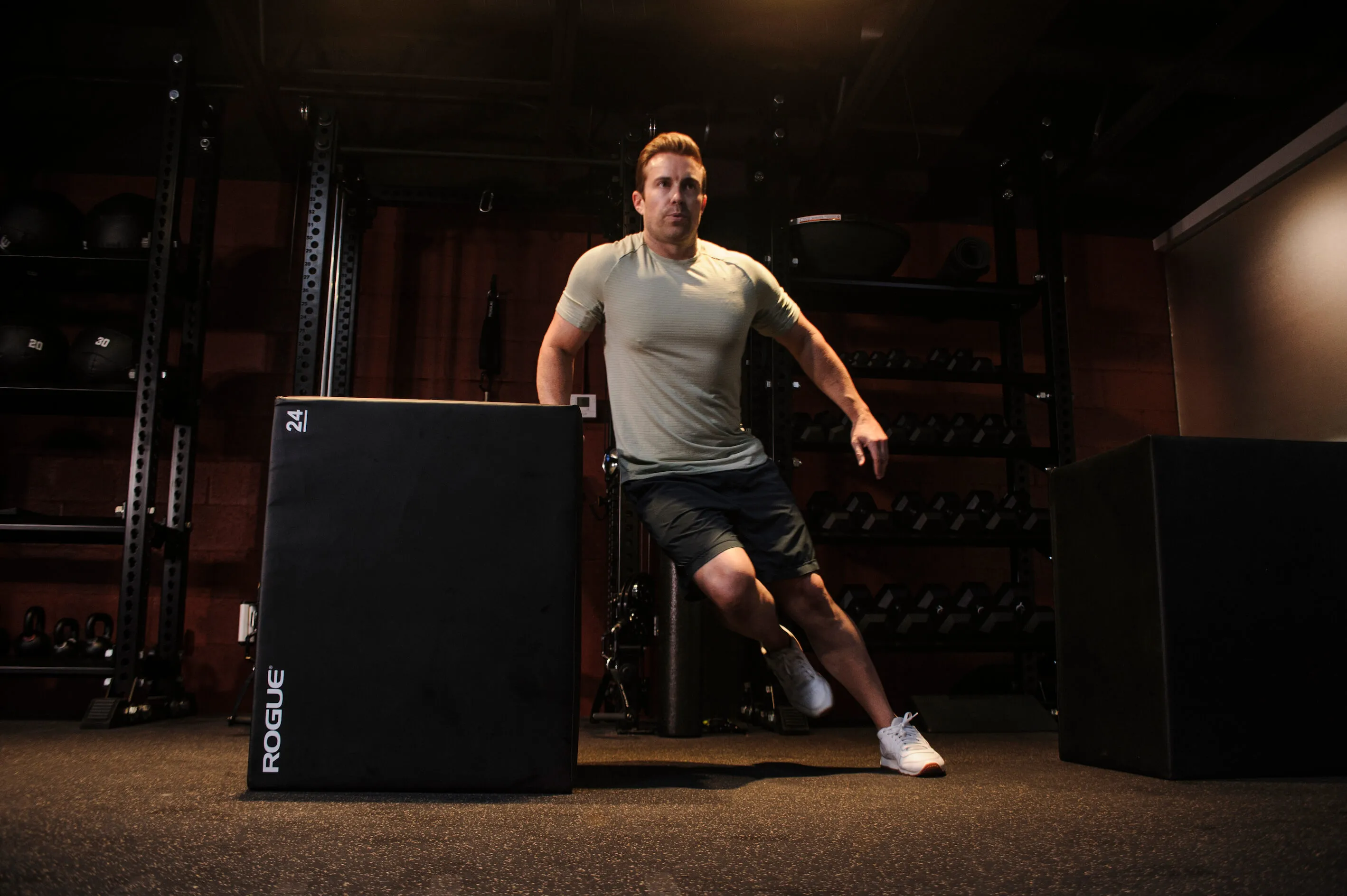
When most people think about skiing and injuries, they think of rehab—recovering after something has already gone wrong. But the best athletes in the world focus on prehab: proactive exercises and habits designed to prevent injuries before they ever happen.
Whether you’re a weekend warrior or a dedicated ski racer, prioritizing prehab can keep you healthy, confident, and carving turns all season long.
What Is Prehab?
Prehab is short for “preventative rehabilitation.” Instead of waiting for pain or injury to sideline you, prehab focuses on strengthening weak areas, improving mobility, and training balance so your body is more resilient when it matters most.
For skiers, this means preparing the joints, muscles, and stabilizers that take the biggest hit on the slopes.
1. Strengthen the Supporting Muscles
Your knees and hips absorb most of the impact in skiing. To protect them, target the muscles that stabilize those joints:
- Quads & glutes – squats, lunges, step-ups
- Hamstrings – deadlifts, bridges, hamstring curls
- Core & obliques – planks, side planks, rotational movements
These exercises help distribute force evenly and reduce stress on your joints.
2. Improve Mobility & Flexibility
Limited mobility forces your body into unnatural movement patterns, which can increase injury risk. Incorporate:
- Hip openers for smoother turns
- Ankle mobility drills for better edge control
- Thoracic spine stretches for upper body rotation
Think of mobility as giving your body more “wiggle room” to react on the mountain.
3. Train Balance & Proprioception
Skiing is all about balance. The better your body can adapt to changing terrain, the less likely you are to fall. Try:
- Single-leg balance drills
- Bosu ball or balance board exercises
- Indoor ski training tools like the SkyTechSport Ski Simulator, which recreates the forces of carving in a controlled environment while challenging your balance in real time.
4. Build Endurance Before the Season Starts
Muscle fatigue is one of the leading causes of ski injuries. Training your legs and core to handle long days ensures you stay strong from your first run to your last. Interval training, circuit workouts, and ski-specific conditioning all build stamina for the slopes.
Final Thoughts
Rehab may get all the attention, but prehab is what truly keeps you skiing longer and stronger. By strengthening stabilizers, improving mobility, and training balance before the season, you’ll drastically lower your risk of injuries.
And if you’re looking for a cutting-edge way to train smarter, the SkyTechSport Ski Simulator helps skiers practice technique, balance, and endurance year-round—so you’re ready to ski injury-free when winter arrives.