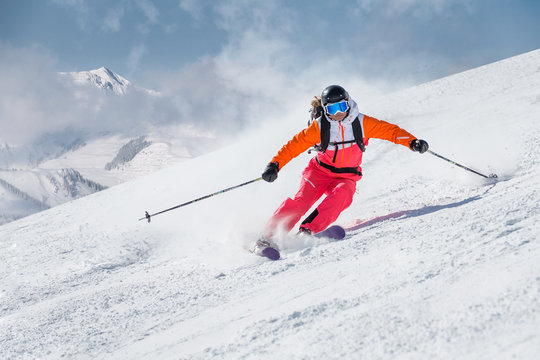
One of the biggest differences between beginner and advanced skiers is turn versatility.
Advanced skiers can smoothly switch between:
Depending on terrain, speed, and conditions. Most intermediate skiers naturally favor one style and struggle with the other.
The good news is that both skills can be trained.
Short turns are:
They are commonly used in:
Short turns require:
Long turns are:
They are commonly used for:
Long turns emphasize:
This usually comes down to comfort and movement habits.
Skiers who struggle with short turns often:
Skiers who struggle with long turns often:
Short turns require efficient movement.
Focus on:
One of the biggest mistakes is using too much upper body rotation. The lower body should do most of the work.
Long turns require patience and control.
Focus on:
Do not rush the transition.
The biggest difference between short and long turns is not just shape.
It is:
Advanced skiers adjust these constantly depending on terrain and conditions.
On the mountain, it is hard to isolate turn mechanics because of:
Many skiers end up just skiing instead of actually training turns.
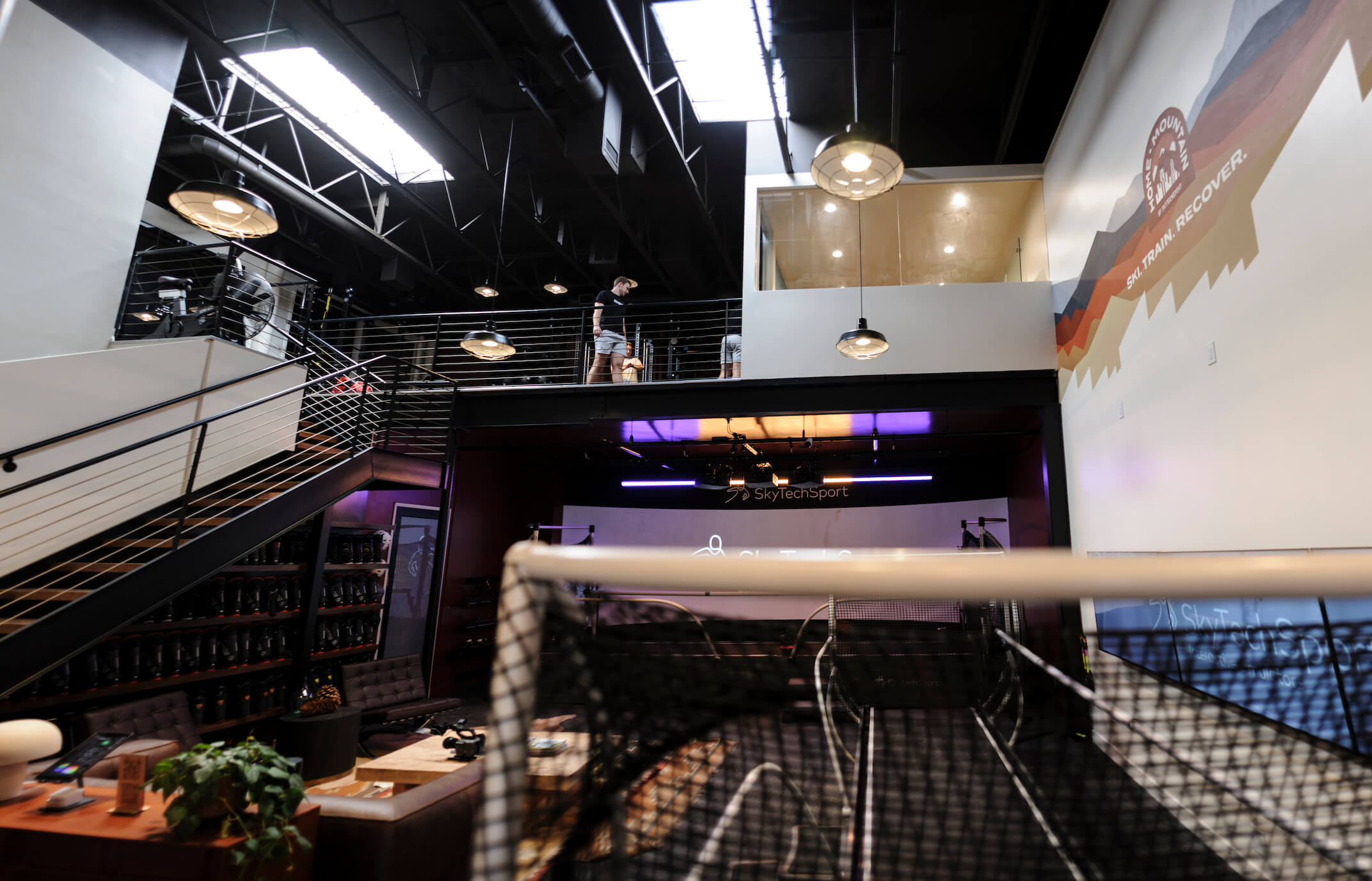
The SkyTechSport Ski Simulator allows skiers to focus specifically on:
Because you can repeat turns continuously in a controlled environment, movement patterns develop much faster.
Most skiers do not struggle because they are incapable. They struggle because they do not get enough quality repetitions.
Indoor ski training allows you to:
That is what accelerates progression.
A simple structure:
If you want to incorporate real turn repetition into your training, you can explore simulator setups here.
Advanced skiers are adaptable.
They can:
That adaptability comes from repetition and movement training.
Short turns and long turns are both essential skiing skills. The better you become at controlling rhythm, pressure, and movement, the more versatile your skiing becomes. That is why tools like the SkyTechSport Ski Simulator are becoming valuable for skiers who want to train turn mechanics year-round and improve faster.
To learn more or find a location near you, visit:
https://skytechsport.com