Skiing is one of the most exciting and rewarding sports—but like any high-performance activity, it comes with risk.
Every season, thousands of skiers deal with injuries ranging from minor strains to serious issues like ACL tears. The good news? Many of these injuries are preventable with the right preparation and habits.
Whether you're a beginner or an advanced skier, here’s how to stay safe—and ski stronger—all season long.
Understanding what you’re trying to prevent is the first step.
The most common ski injuries include:
Among these, knee injuries—particularly ACL tears—are by far the most frequent and often the most serious.
Weak muscles = higher injury risk.
Focus on:
A strong body is more resilient and better equipped to handle the demands of skiing.
Many ski injuries happen when you lose control.
Training balance helps you:
Even simple balance drills can make a noticeable difference.
Jumping straight onto the lift without warming up is one of the most common mistakes.
Take 5–10 minutes to:
Cold muscles are far more prone to injury.
Pushing yourself is good—until it’s not.
Trying terrain that’s too advanced can lead to:
Progress gradually and focus on mastering fundamentals before leveling up.
Most injuries happen later in the day.
As your muscles tire:
Know when to call it—one more run isn’t always worth it.
Ill-fitting gear can increase injury risk significantly.
Make sure:
Proper equipment helps you stay in control and reduces unnecessary strain on your body.
This is one of the most overlooked aspects of injury prevention.
You can be strong—but if your movement patterns are off, your body may compensate in ways that increase injury risk.
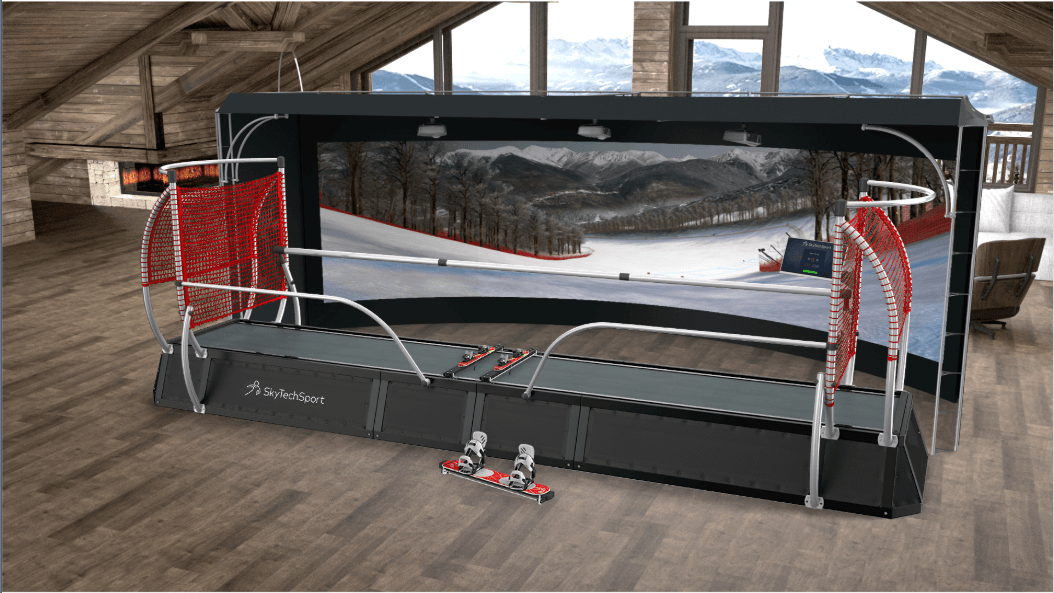
That’s why more skiers are incorporating ski-specific training tools like the SkyTechSport Ski Simulator into their routine.
It allows you to:
By reinforcing correct movement patterns, you reduce the likelihood of the kinds of mistakes that lead to injury on the mountain.
Recovery is just as important as training.
Incorporate:
If your body isn’t recovered, your risk of injury goes up significantly.
Avoiding injuries isn’t about one thing—it’s about doing the small things consistently.
The skiers who stay healthy season after season are the ones who:
Skiing will always carry some level of risk—but with the right preparation, you can dramatically reduce it. Build strength, improve balance, focus on technique, and listen to your body. And if you want to take injury prevention even further, incorporating ski-specific training—especially in controlled environments—can help you build safer, more efficient movement patterns before you ever hit the slopes.