If you’ve never skied before, you’ve probably wondered:
Is skiing actually hard to learn?
The short answer: it can be—but it doesn’t have to be. Like any skill, skiing has a learning curve. But with the right approach, most beginners can start linking turns and feeling confident much faster than they expect.
For beginners, skiing introduces a few unfamiliar challenges all at once:
It’s a lot to take in—and that’s why the first day can feel overwhelming.
Here’s what surprises most beginners:
Progress happens fast.
Within just a few sessions, most people can:
The key is learning the right fundamentals early.
Your stance is everything. Beginners often lean back instinctively—but staying centered with slight forward pressure gives you much more control.
Learning on steep or crowded slopes makes things harder than they need to be. Gentle terrain with space to practice allows you to focus on technique without fear.
Like anything, skiing improves with reps. The more turns you make, the faster your body understands the movement patterns.
Most people don’t struggle because skiing is “too hard”—they struggle because:
This makes progress feel slower than it actually should be.
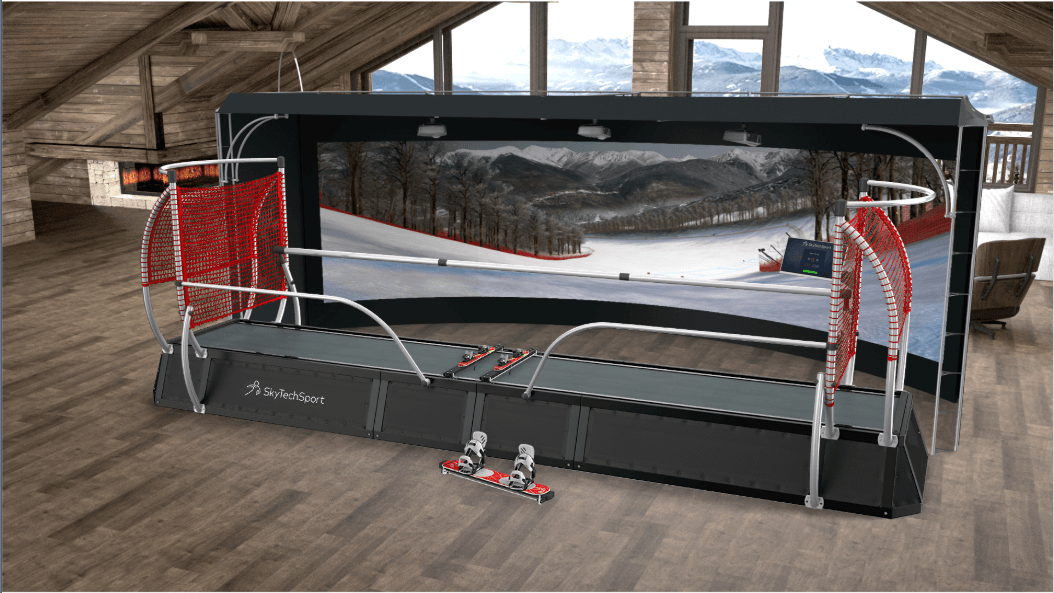
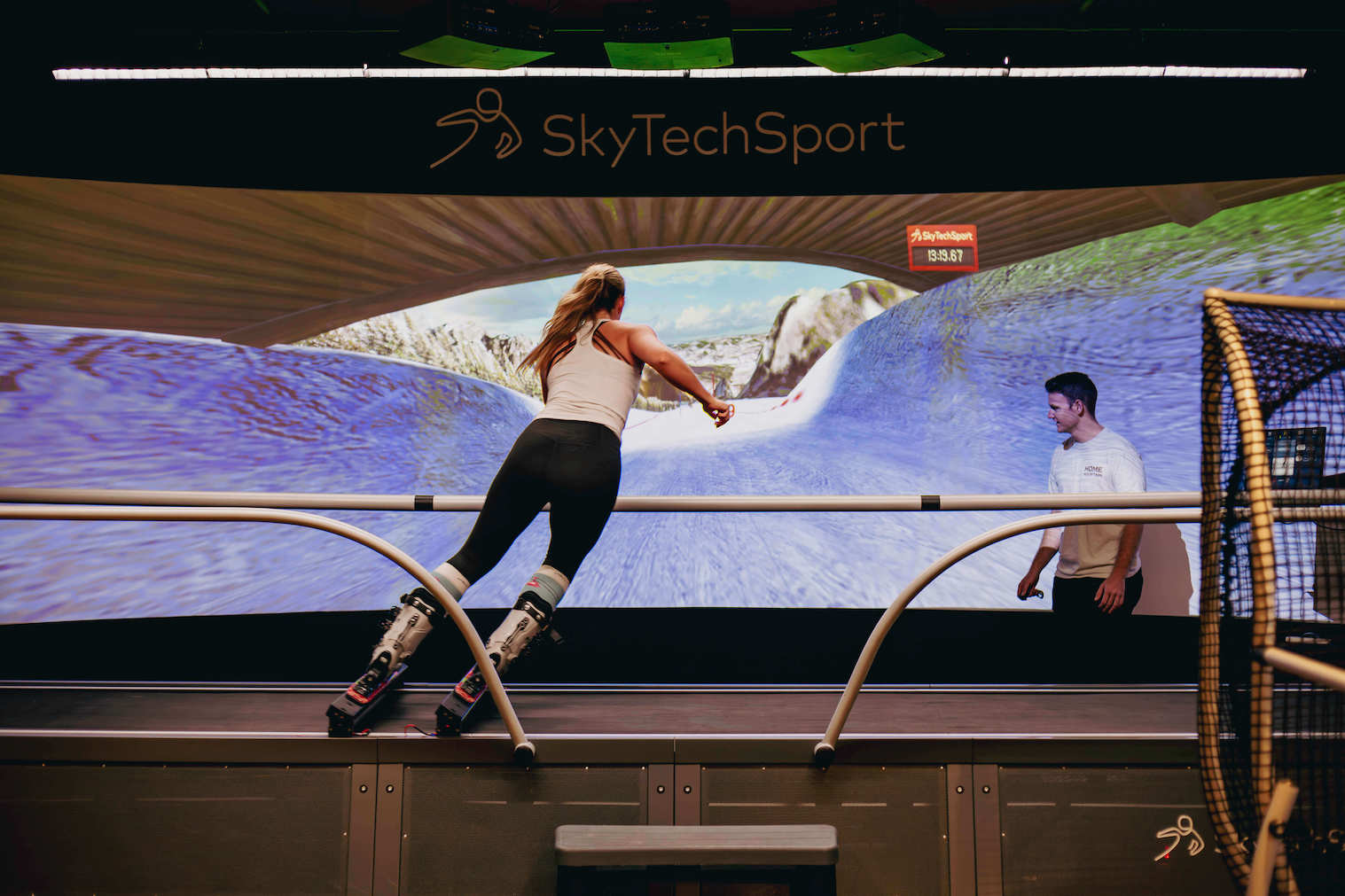
This is where modern training methods are changing the game. Instead of relying only on a few days per season, beginners can now learn and practice in controlled environments that remove many of the common barriers.
For example, the SkyTechSport Ski Simulator allows first-time skiers to:
Many beginners find that starting this way helps them progress faster once they get on snow—because they already understand the fundamentals.
This is a common question.
Generally:
With skiing, having two separate skis makes balance and control more intuitive for most people early on.
If you want to speed up your progress:
And most importantly—be patient. Progress compounds quickly after the first few sessions.
So, is skiing hard to learn? It can feel challenging at first—but with the right approach, it becomes one of the most rewarding and enjoyable sports you can pick up. The biggest difference between people who struggle and people who progress quickly comes down to how and where they practice. And with new ways to train and learn—both on and off the mountain—getting started has never been more accessible.