.png)
Think skiing improvement only happens in the winter? That’s one of the biggest mistakes holding skiers back.
The best skiers don’t wait for snow—they train year-round. Whether you're dealing with a short season, poor conditions, or just want to level up faster, there are proven ways to improve your skiing without ever stepping onto a mountain.
Here are 7 highly effective off-season ski training strategies you can start today.
Skiing demands strong legs, a stable core, and explosive power.
Focus on:
Strong muscles don’t just improve performance—they also help prevent injuries when you get back on snow.
Balance is everything in skiing. Training tools like balance boards, BOSU balls, or single-leg exercises help simulate the instability you experience on snow. The more comfortable you are controlling your body off-balance, the more confident you’ll feel carving turns.
Most people overlook this.
Skiing isn’t just about strength—it’s about how you move. Practicing proper body positioning, edge control, and pressure management off the mountain can dramatically speed up your progress.
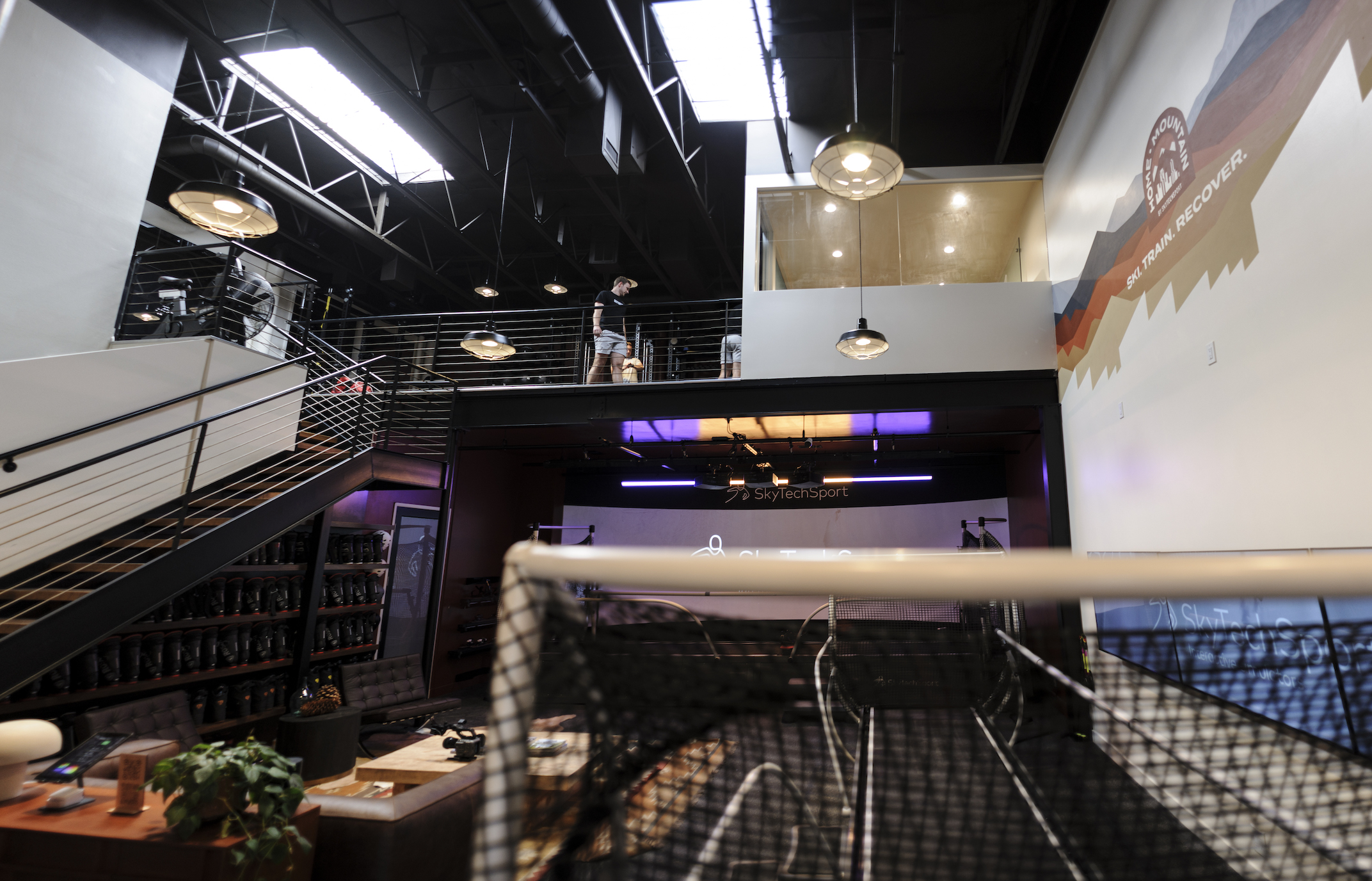
This is where tools like the SkyTechSport Ski Simulator come into play. It allows you to replicate real skiing movements indoors, helping you build muscle memory and refine technique long before the season starts.
Tight hips and ankles = limited performance.
Add:
Better mobility allows for deeper turns, better control, and smoother transitions.
Skiing is more physically demanding than most people realize.
Incorporate:
This helps you last longer on the mountain and maintain proper form even when you're tired.
Mental training is underrated. Watch high-level skiers, analyze their form, and visualize yourself executing similar movements. This builds awareness and helps translate training into real performance.
Consistency beats intensity. Even 2–3 focused sessions per week can make a massive difference by the time winter rolls around. The key is building habits that keep you progressing—even when there’s no snow.
If you want to improve your skiing fast, don’t wait for winter. Training in the off-season gives you a major advantage—and when you finally hit the slopes again, you’ll feel stronger, more confident, and more in control than ever before. And for those looking to take their training to the next level, incorporating tools that mimic real skiing—like indoor simulators—can accelerate progress in ways traditional workouts simply can’t.