Why Reaction Training Is the Next Big Thing in Sports
Raw strength and endurance are important — but in high-speed sports, reaction time is what separates good athletes from great ones. Whether it’s dodging a tackle, reading terrain on a ski slope, or returning a serve, your ability to react instantly and accurately plays a major role in performance.
That’s why reaction training is quickly becoming a top priority for athletes at all levels.
What Is Reaction Training?
Reaction training involves exercises that improve your ability to respond quickly and correctly to external stimuli — such as lights, sounds, movement, or opponents.
It strengthens the connection between the brain and body, helping athletes react faster, smarter, and more precisely in competitive scenarios.
Why It Matters in Sports
- Faster Reflexes = Competitive Edge- A fraction of a second can decide the outcome of a race or match. Reaction training helps athletes process cues and act on them faster.
- Better Decision-Making Under Pressure- Many drills challenge both physical and cognitive skills at once — improving tactical awareness in high-pressure situations.
- Improved Coordination and Balance- The ability to shift, pivot, or adjust direction quickly while maintaining form is critical across almost every sport.
- Injury Prevention- By enhancing neuromuscular control and balance, athletes become less prone to awkward landings, slips, or collisions.
How Athletes Train Reaction Time
- Light-based drills using tools like BlazePods or FitLight
- Partner-based reaction exercises with unpredictable movement cues
- Virtual reality environments where athletes must respond to scenarios
- Interactive simulators that blend physical movement with visual challenges
SkyTechSport: Building Reactions with Real Movement
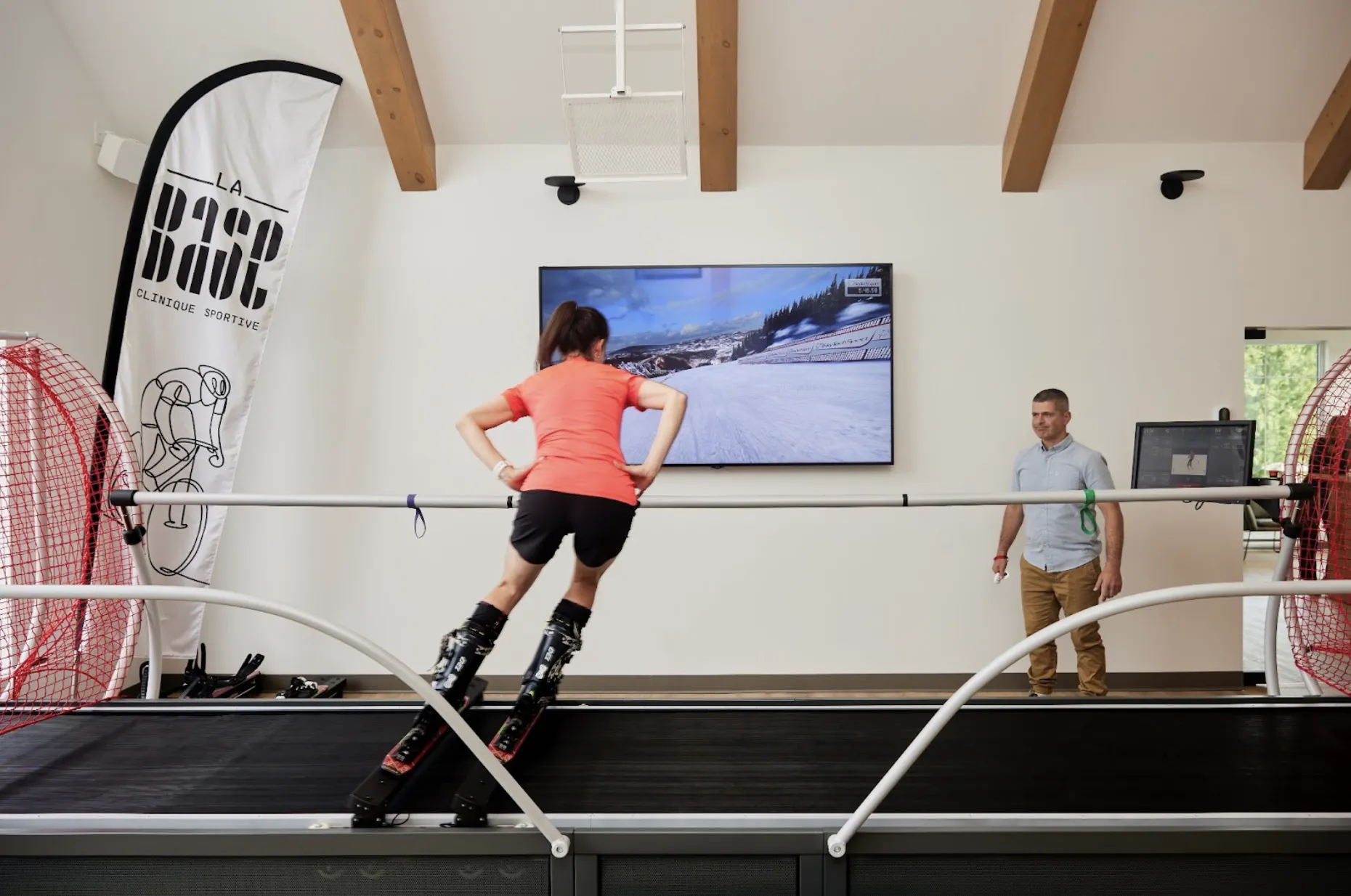
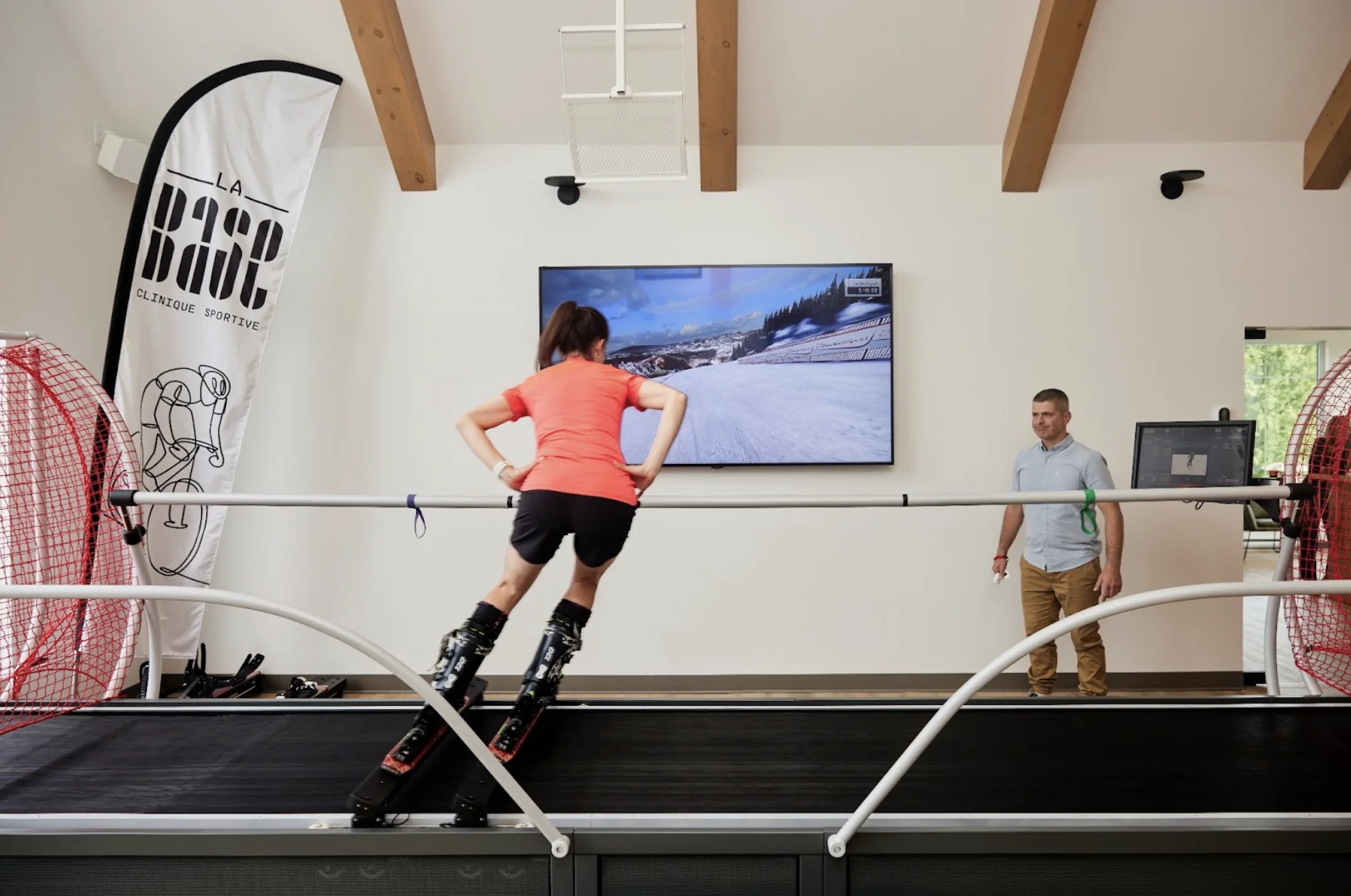
One tool making waves in reaction training is the SkyTechSport Ski and Snowboard Simulator. As users navigate virtual ski runs, they must constantly adjust to shifting terrain and make split-second decisions about body positioning, edge pressure, and balance.
This combination of full-body movement, visual cues, and realistic resistance creates an environment where athletes develop faster reflexes and smarter reactions — all while reinforcing proper technique.
It’s not just for skiers — it’s part of a broader shift toward interactive, motion-based training that builds real-world athletic ability.
Final Thoughts
Reaction training is no longer a bonus, it’s a necessity. As sports become more competitive and fast-paced, athletes who can see, process, and move quicker will always have the upper hand.
Whether you're training on the field, in the gym, or on a simulator like SkyTechSport, adding reaction work to your routine could be the key to unlocking your next level.
Related guide: How to Improve Your Reaction Time — the complete pillar guide.