If your goal is to become a better skier, you’ve probably asked:
Should I just train in the gym… or is something like a ski simulator actually better?
The answer isn’t as obvious as it seems. Because while traditional training builds strength, it doesn’t always translate to better skiing.
Let’s break down what each approach actually does—and which one leads to real improvement.
The gym is great for building a foundation.
Strength training improves:
Cardio helps you:
These are all important.
But here’s the problem…
Most gym workouts are:
Skiing is none of those.
It’s:
That gap is why so many skiers feel strong—but still struggle with control, balance, and consistency.
This is where things change.
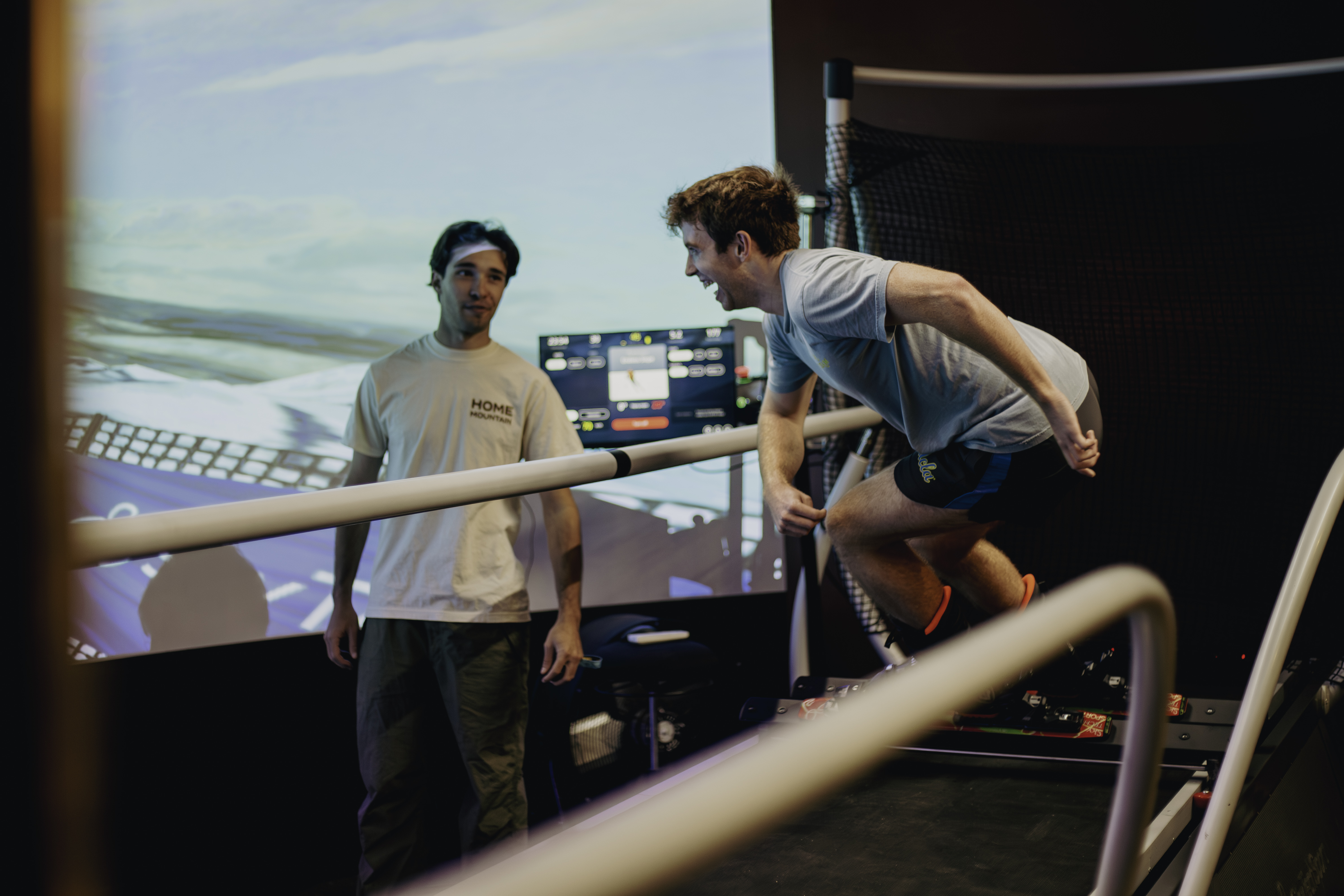
A high-quality ski simualator like the SkyTechSport Ski Simulator focuses on:
Instead of just training muscles, you’re training how those muscles work together while skiing.
If you’ve never seen how this works, take a look at real training sessions here:
https://skytechsport.com
Improvement in skiing comes down to repetition.
The challenge? Most people only ski a handful of days per year.
That’s not enough volume to build high-level skill.
With a ski simulator, you can:
Explore how indoor ski training allows for year-round repetition and faster progress:
https://skytechsport.com
Both have value—but they serve different purposes.
Top athletes don’t choose one—they combine both.
This combination leads to:
👉 Curious how this combination could fit into your routine or space? You can explore simulator options here:
https://config.skytechsport.com
This type of training is especially valuable for:
Traditional training makes you stronger.
But strength alone doesn’t make you a better skier.
To actually improve, you need to train movement, timing, and repetition.
That’s what makes the SkyTechSport Ski Simulator so effective—it allows you to practice skiing itself, not just prepare for it.
If you want to take your skiing to the next level, start by exploring how indoor ski training works or find a location near you:
https://skytechsport.com


