One of the biggest differences between beginner skiers and advanced skiers is edge control. When your skis are on edge, they grip the snow and allow you to control your speed, shape your turns, and ski with confidence.
Many skiers search how to improve edge control in skiing because without it, turns can feel slippery, unstable, or difficult to control.
The good news is that edge control is a skill that can be trained. With the right technique and a few focused drills, you can dramatically improve how your skis interact with the snow.
Below we’ll explain what edge control is, why it matters, and several drills that can help you improve it.
Modern skis have metal edges along both sides. When a skier tilts the ski onto one of these edges, the ski bites into the snow and allows the skier to guide the turn.
Edge control is the ability to manage how much edge angle your skis have during a turn.
Good edge control allows skiers to:
Without proper edge control, skis tend to slide sideways instead of gripping the snow.
Edge control is the foundation of strong skiing technique.
When your skis grip the snow effectively, turns become smoother and more predictable. This improves both performance and safety, especially on steeper terrain or firm snow conditions.
Strong edge control also allows skiers to transition from skidding turns to carved turns, where the ski bends naturally through the snow.
Carving not only looks smoother but also requires less effort once mastered.
Before improving edge control, it’s helpful to understand a few common technique issues that prevent skis from gripping properly.
When a skier leans into the backseat, it becomes difficult to apply pressure to the ski edge. This reduces grip and control.
Maintaining a centered stance over the skis is critical for effective edging.
Excessive upper body rotation can cause skis to slide rather than carve.
Instead, try to keep your upper body relatively stable while allowing your legs to guide the skis through the turn.
Edge control starts with subtle movements in the ankles.
Many skiers attempt to force the ski onto edge using large body movements instead of gently rolling the ankles and knees into the turn.
Small movements often produce better results than exaggerated ones.
Railroad track turns are one of the best drills for learning edge control.
The goal is to leave two clean lines in the snow that resemble railroad tracks, showing that the skis are carving rather than sliding.
How to practice this drill:
If done correctly, your skis will carve smooth arcs without skidding.
This drill teaches how to use the ski’s shape to create turns.
This drill helps develop awareness of how your skis engage the snow.
On an easy slope:
Focus on making small, controlled movements.
This helps skiers feel how edge angles influence direction and grip.
Skiing on one ski forces you to develop better balance and edge awareness.
To practice:
This drill emphasizes proper weight distribution and helps build confidence in your edge grip.
Side slipping is a great way to understand how edges control movement.
Practice sliding sideways down a slope with skis across the hill. Then gradually engage your edges to stop the slide.
This teaches how to control grip and release the edges smoothly.
Because edge control relies heavily on balance and coordination, many skiers work on these skills away from the slopes.
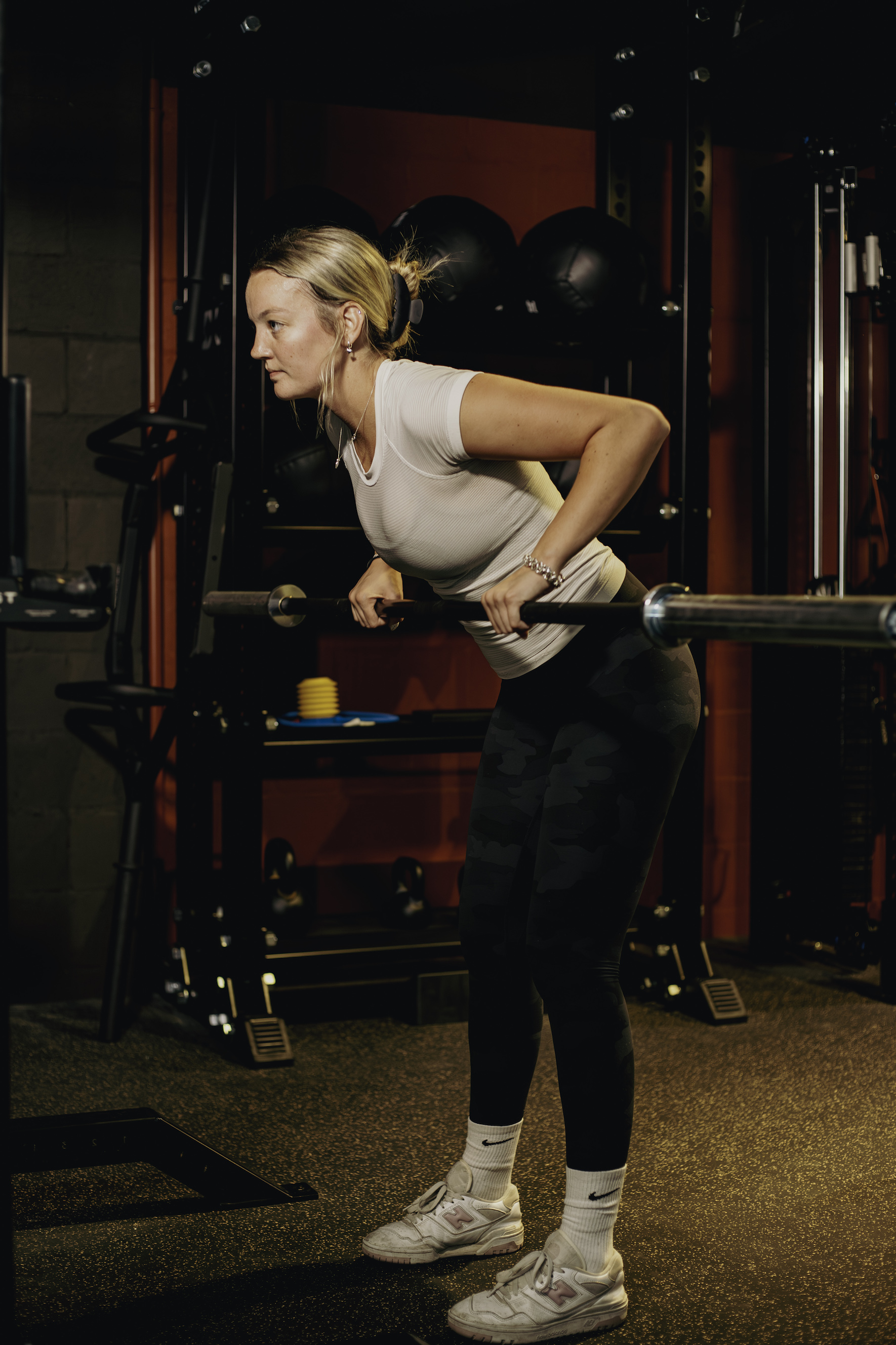
Balance training, leg strength exercises, and ski-specific movement practice can all improve edging ability.
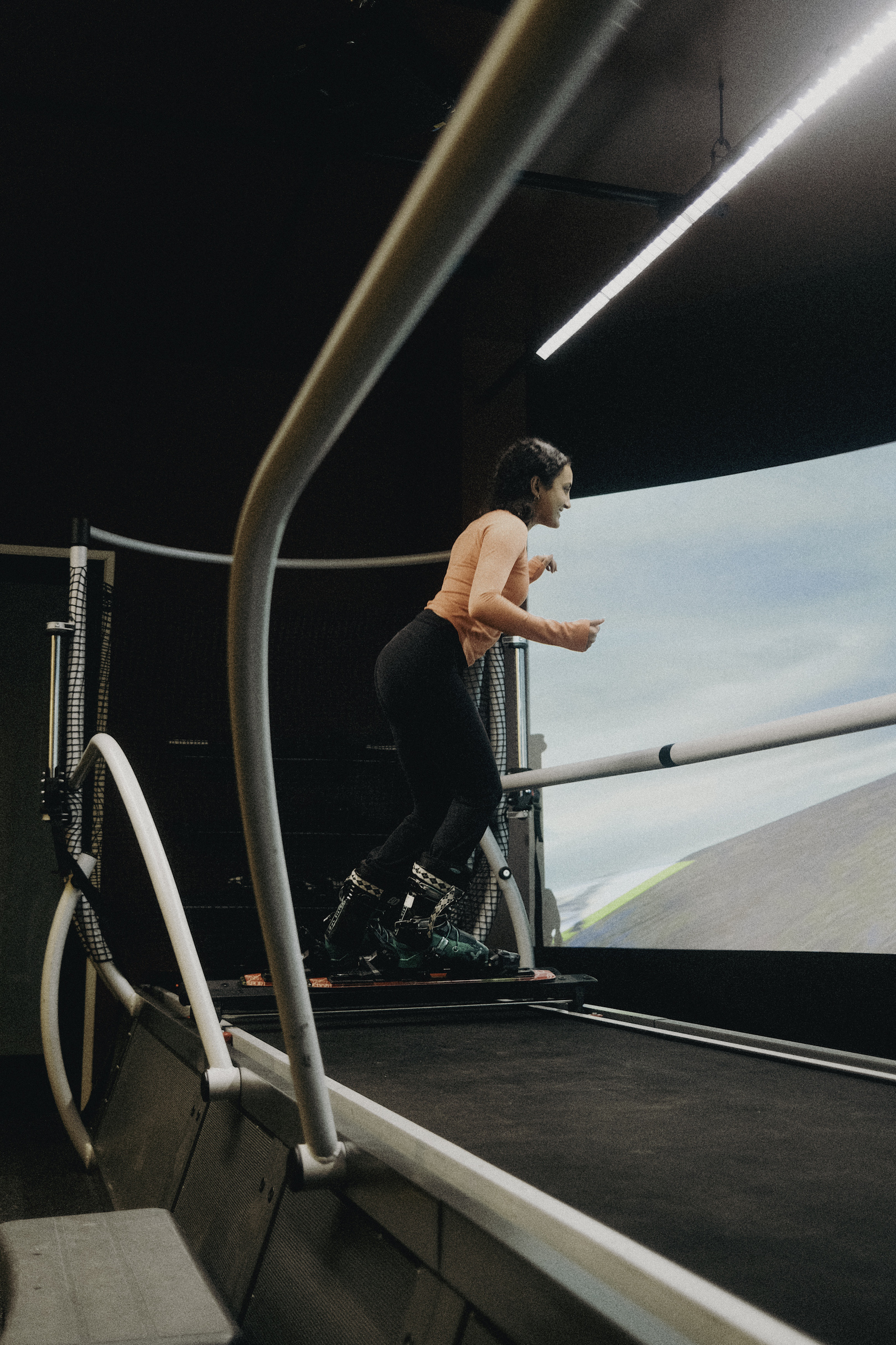
Some ski training facilities also use equipment designed to replicate the mechanics of skiing. For example, the SkyTechSport Ski Simulator allows skiers to practice edging, pressure control, and turn mechanics indoors. Because the simulator mimics real skiing movements, it can help reinforce proper edging technique through repeated practice.
Training ski-specific movement patterns off the mountain can accelerate improvement when you return to snow.
If you want to improve edge control, choose terrain that allows you to focus on technique.
Ideal conditions include:
Practicing on extremely steep terrain too early can make it difficult to focus on technique.
As your edge control improves, you’ll notice that skiing feels smoother and more efficient.
Edge control is one of the most important skills in skiing. When you learn how to properly engage your ski edges, turns become smoother, more controlled, and more enjoyable.
By practicing drills like railroad track turns, edge rolling, and one-ski skiing, you can develop better awareness of how your skis interact with the snow.
Improving balance, strength, and coordination off the mountain can also help reinforce these skills.
With consistent practice, stronger edge control will allow you to ski with greater confidence and precision across a wide variety of terrain.